Long Shadows
2008
No user ratings available yet
Representation score: 4.9 out of 10
Representation Score
Fair
1995
Director
Mimmo Calopresti
Runtime
77 minutes
Average Rating
No ratings yetNew Showbiz Analysis
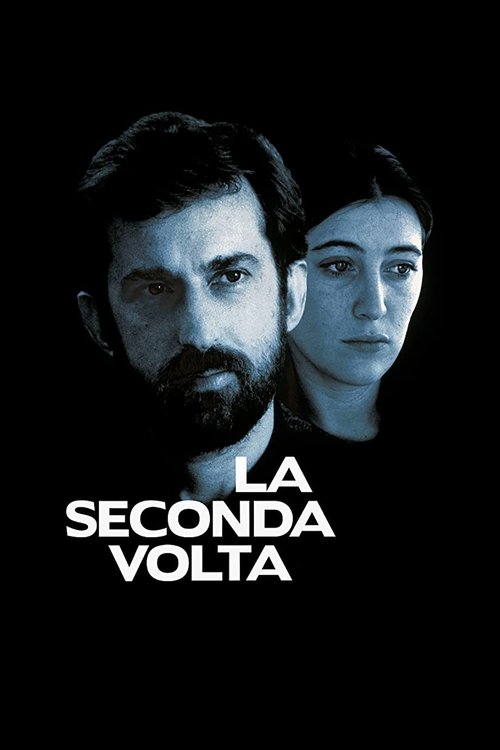
Mimmo Calopresti’s drama disrupts the traditional hero/villain binary. Instead of a revenge thriller, it offers a psychological exploration of restorative justice and moral relativism. The film centers on a quiet, observational encounter that questions the roles of victims and perpetrators. The film excels by avoiding conventional moral binaries. It focuses on the motivations behind a violent act rather than simple retribution, delving into the complexities of human identity and systemic conflicts. However, the film remains limited by its lack of visible diversity in racial and LGBTQ+ categories. While it challenges gender norms, it does not expand to include broader demographic representation.
Category Breakdown
The film avoids typical romantic clichés by focusing on unique interpersonal connections. However, there is no clear depiction of LGBTQ+ identities within the story.
A female protagonist takes on a powerful and violent role usually reserved for male anti-heroes. This challenges traditional views of femininity through a strong, independent character.
The cast reflects the demographics of mid-90s Italy. There is no indication of significant racial diversity or non-majority casting.
The story emphasizes subjective morality and criticizes strict, punishing systems. It presents ideological motivations with nuance, avoiding a black-and-white perspective.
The film does not provide any evidence of portraying physical or cognitive disabilities.
Present on Screen
Limited or Absent
Official Synopsis
A convicted terrorist out on parole meets a man she nearly murdered 15 years before, without recognizing him. He does so, but he chooses to keep quiet and spend time with her—desperate to understand the reasons behind her gesture.
2008

2021

1988

2000

1985

2003

2023
2009
No reviews yet. Be the first to share your thoughts on this movie!
Use the rating form above to leave a star rating and optional review.