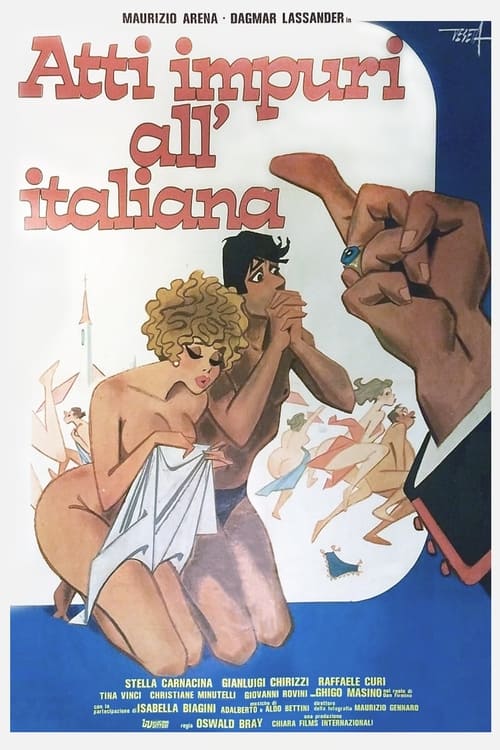
Atti impuri all'italiana
1976
No user ratings available yet
Representation score: 3.7 out of 10
Representation Score
Limited
1976
Director
Gianfranco Baldanello
Runtime
88 minutes
Average Rating
No ratings yetNew Showbiz Analysis
The film serves as a localized disruption of gender norms for its time. By placing a woman in a professional role typically held by men, it challenges the patriarchal expectations of 1970s Italian cinema. However, the narrative lacks depth in addressing multiple aspects of identity. Set in a homogeneous village, it offers little engagement with racial, ethnic, or LGBTQ+ diversity. Ultimately, while it challenges gender hierarchies through humor, it does not address broader systemic power dynamics or diverse identities.
Category Breakdown
The film does not feature any explicit LGBTQ+ characters or stories that question the assumption that everyone is straight or cisgender. It centers on a traditional comedic setup based on gender roles.
The story breaks 1970s norms by putting a female doctor in a position of authority. This challenges the era's assumption that men would hold such roles.
Set in a small Italian village, the cast appears demographically uniform. There is no indication of non-white actors or diverse ethnic representation.
The comedy arises from the tension between an outsider professional and the local community's social norms. It lightly critiques rigid local customs.
There is no mention of characters with visible or invisible disabilities in the narrative.
Present on Screen
Limited or Absent
Official Synopsis
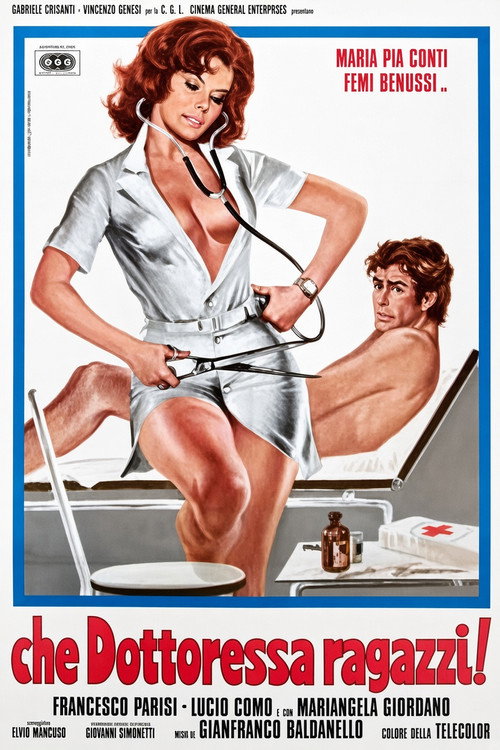
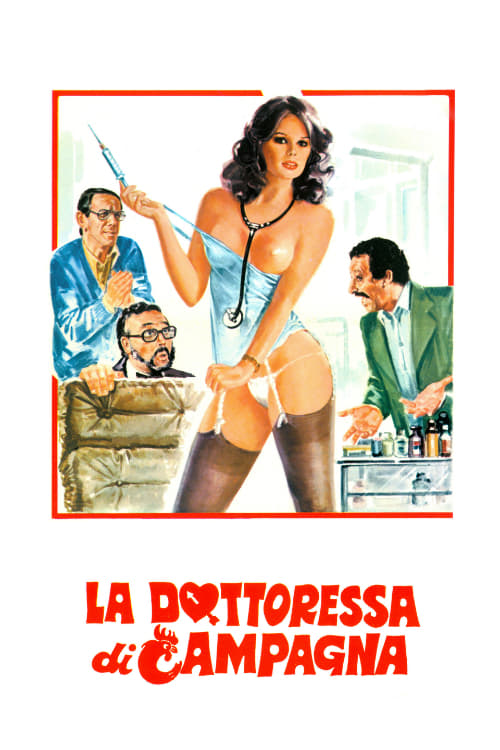
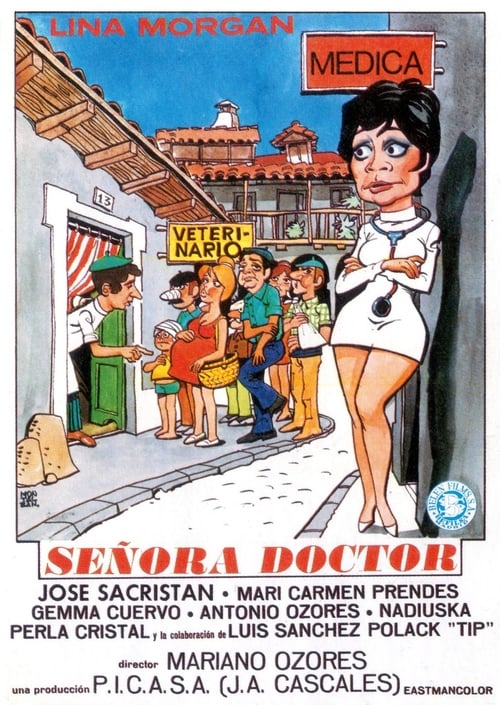
A small Italian village eagerly awaits the long-overdue arrival of a doctor. Everyone expects a male, so when the sexy female doctor Sigrun S. steps out of the bus, it quickly leads to a series of slapstick events.
1976
2004
1981

1996
1957
1975
1974

1982
No reviews yet. Be the first to share your thoughts on this movie!
Use the rating form above to leave a star rating and optional review.