
Sun
2019
No user ratings available yet
Representation score: 5.9 out of 10
Representation Score
Fair
2001
Director
Jean-Marc Barr, Pascal Arnold
Runtime
96 minutes
Average Rating
No ratings yetNew Showbiz Analysis
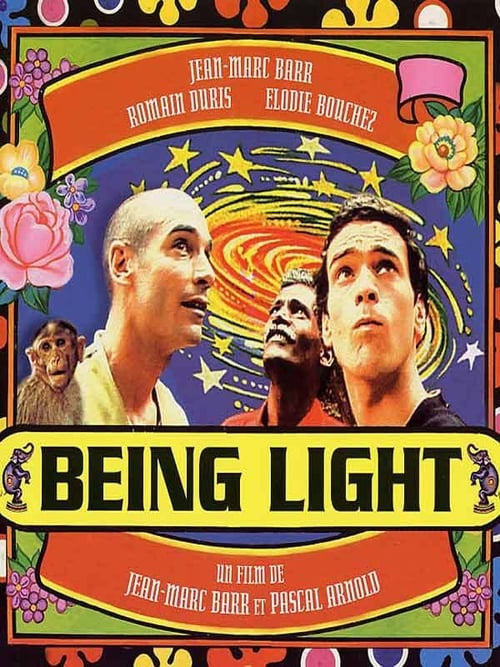
Being Light functions as a character-driven travelogue that explores the collision of different socio-economic classes. By pairing a directionless young man with a wealthy businessman, the film examines how mobility and wealth influence personal ability to act. The narrative's strength lies in its movement away from the domestic Western sphere. The transition to an Indian setting suggests an intentionality toward broader cultural engagement and the rejection of routine. However, the film remains somewhat conventional in its character dynamics. While it engages with different cultures, it does not appear to aggressively deconstruct systemic hierarchies or subvert traditional gender roles.
Category Breakdown
The film follows a traditional romantic structure focused on Maxime's desire to connect with Justine. It does not explicitly confirm any non-straight relationships or same-sex intimacy.
Justine plays a crucial role in driving the story, but the plot is mainly shaped by the male-centric interactions between Maxime and Jack.
The film shifts from Paris to India, offering a framework for cross-cultural exchange. This move from a Western urban center to the Global South disrupts a purely Eurocentric narrative structure.
The story critiques Western capitalist routines by emphasizing spiritual or experiential exploration in India. The narrative favors personal fulfillment and escapism over institutional stability and rigid Western structures.
The narrative does not mention characters navigating physical, neurodivergent, or mental health conditions. No representation of disability is present in the provided story details.
Present on Screen
Limited or Absent
Official Synopsis
Maxime, a young man of 25, arrives in Paris, but wishes to join Justine, the woman he loves, in India. At the bar of the Raphael Hotel, he meets Jack Lesterhoof, a rich businessman who offers to be his interpreter for an important meeting. Maxime accepts. The two men soon become friends. Jack decides to take a break from the routine and accompany Maxime to India.
2019

2006
2015
2017

2023
1984
2003
2005
No reviews yet. Be the first to share your thoughts on this movie!
Use the rating form above to leave a star rating and optional review.