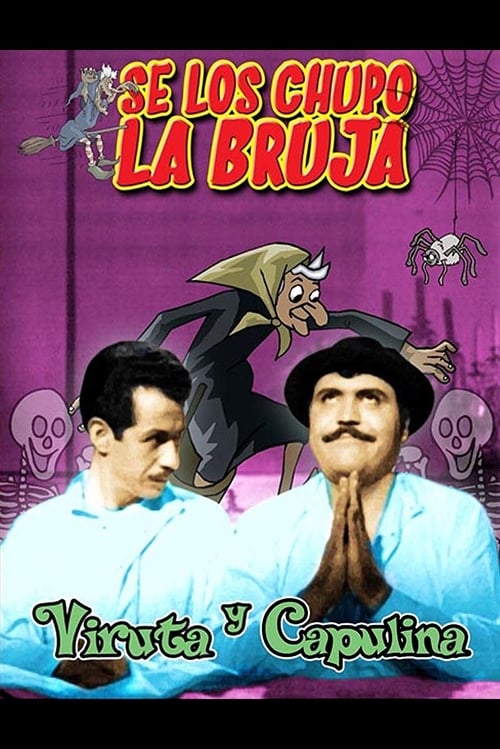
The Witch Suckled Them
1958
No user ratings available yet
Representation score: 1.9 out of 10
Representation Score
Fair
1944
Director
Jaime Salvador
Runtime
97 minutes
Average Rating
No ratings yetNew Showbiz Analysis
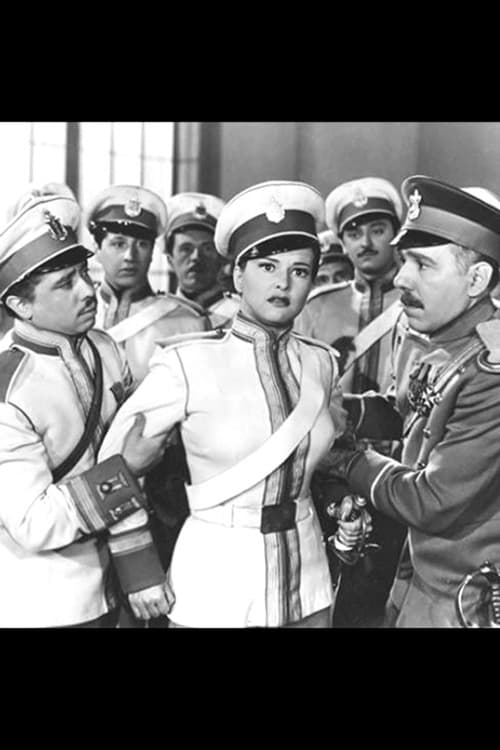
La hija del regimiento employs a high-concept premise to explore gender dynamics through a comedic lens. By focusing on a town where men are largely absent, the film creates a temporary disruption of patriarchal structures, offering a unique social architecture for a 1940s musical. However, the film remains firmly anchored in the escapism of its era. While the gender imbalance offers a moderate challenge to norms, the narrative lacks complexity in addressing multiple aspects of identity. It serves primarily as a genre piece designed for entertainment rather than a critical examination of societal issues. Ultimately, the film celebrates the artifice of the musical genre while providing a localized Mexican cinematic experience.
Category Breakdown
The film centers on traditional romantic and comedic relationships between the main characters. There is no indication of non-straight relationships or queer undertones in the story.
The film sets Fuente Clara in a female-dominated social environment that challenges traditional gender hierarchies. This shifts the focus away from a male-dominated order, emphasizing the role of women.
The film features a predominantly Mexican cast, reflecting a localized cinematic tradition. It does not actively disrupt racial hierarchies or social norms.
The story prioritizes musical comedy and operatic elements over social or political commentary. It leans towards traditional romantic resolutions rather than critiquing institutional or Western structures.
The film does not feature any characters with physical or neurodivergent disabilities.
Present on Screen
Limited or Absent
Official Synopsis
In Fuente Clara over ten years since any man born. The population, mostly female, are desperate and resorts to the reigning prince.
1958

1999
1963

1992

1946
1971
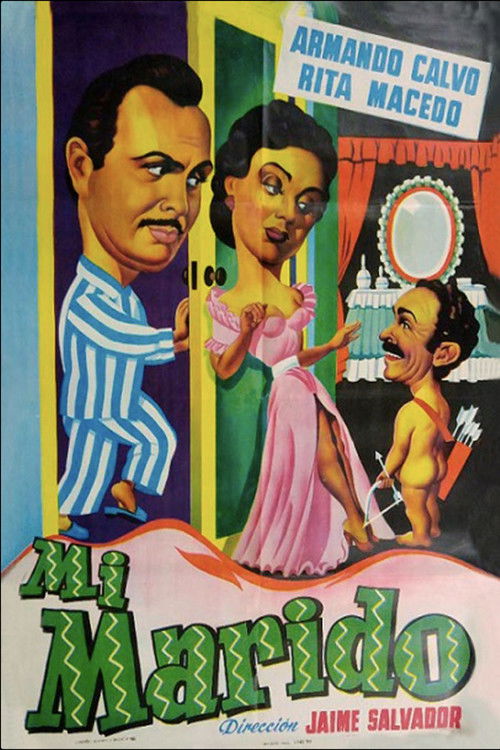
1951

1962
No reviews yet. Be the first to share your thoughts on this movie!
Use the rating form above to leave a star rating and optional review.