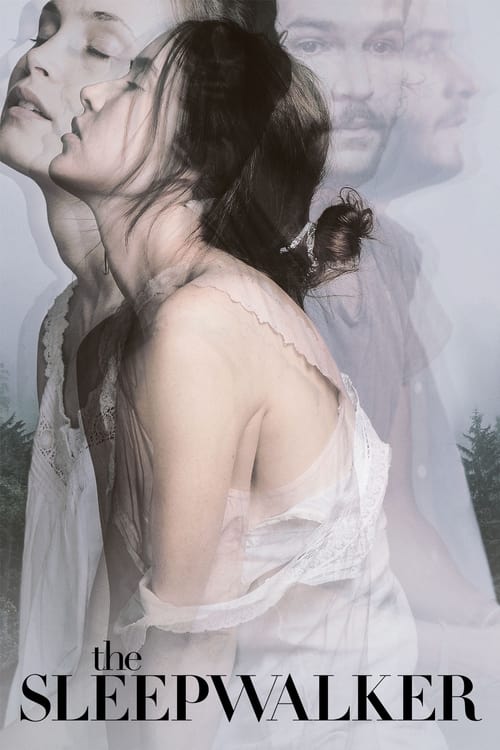
The Sleepwalker
2014
No user ratings available yet
Diversity score: 3.4 out of 10

2010
Director
Sean Durkin
Runtime
15 minutes
Average Rating
No ratings yetSynopsis
A young woman embarks on a road trip with her boyfriend to a place he promises will be beautiful and peaceful. But a series of strange events occur on their journey, and it becomes clear that their relationship is not what she thinks and their destination is not what was promised.
Overall Score
Limited
Category Breakdown
LGBTQ+ Representation
The film lacks any discernible presence of LGBTQ+ characters or narratives. It remains strictly within the social parameters of a 1918 rural setting, focusing on traditional romantic and familial structures.
Gender Representation
The narrative centers the female experience by exploring the domestic sphere as a space of isolation and vulnerability. It disrupts tropes by focusing on the protagonist's agency and the impact of her disappearance.
Racial & Ethnic Diversity
The cast is predominantly white, reflecting the historical setting of upstate New York in 1918. The film opts for a period-accurate depiction of a rural agrarian community without diverse ensemble work.
Religious & Cultural Diversity
The film portrays traditional agrarian lifestyles and family units through a lens of grief. It provides a subtle critique of rigid social expectations without offering an overt systemic critique of Western institutions.
Disability Representation
There is no significant or central depiction of physical or neurodivergent disabilities. Psychological distress is treated as a response to external trauma rather than through a lens of specific disability agency.
Strengths
Areas for Improvement
AI Analysis
Sean Durkin’s biographical drama prioritizes historical realism and the psychological interiority of its female protagonist. While the film lacks broad demographic variety, it succeeds in subverting traditional period-piece tropes by examining the isolation inherent in early 20th-century domestic life. The low scores in racial and LGBTQ+ categories are a direct result of the film's commitment to a period-accurate, rural 1918 setting. It does not attempt to use modern intersectional lenses or race-bent casting to deconstruct the era's homogeneity. Ultimately, the film functions as a somber character study. It earns its merit by highlighting the psychological toll of historical social constraints rather than through the inclusion of diverse identity politics.
2014

2011
2008
2016
2011
2018

2010
2001
2021

2012

2015

2009
No reviews yet. Be the first to share your thoughts on this movie!
Use the rating form above to leave a star rating and optional review.