Mongol: The Rise of Genghis Khan
2007
No user ratings available yet
Representation score: 3.9 out of 10
Representation Score
Limited
2026
Director
Jacob Schwarz
Runtime
119 minutes
Average Rating
No ratings yetNew Showbiz Analysis
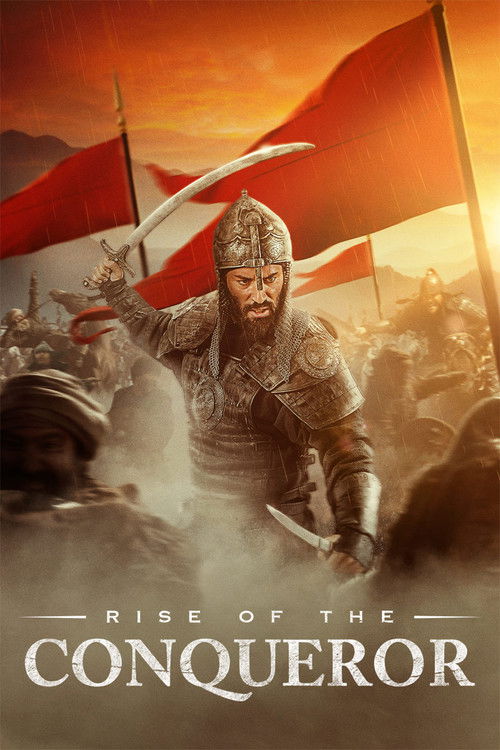
Rise of the Conqueror succeeds in racial and disability representation by centering a disabled Central Asian leader with an authentic cast. This counters typical Western erasure of the region’s history. Gender representation falters: women appear but lack narrative weight, and LGBTQ+ identities are entirely absent. The film’s world feels historically narrow in its social scope. Culturally, it illuminates an underrepresented empire but leans on conquest and hierarchy as the primary engines of power, limiting its critical edge.
Category Breakdown
No LGBTQ+ characters or same-sex relationships appear in the film. The narrative concentrates on military conquest and political alliances in 14th-century Central Asia, leaving queer identities entirely absent from its world.
The story orbits Timur, a male commander whose strategy and combat drive the plot. Women such as Aljai and Banu are present in the cast, but their roles remain peripheral and underdeveloped within the narrative.
The ensemble is predominantly Central Asian and Middle Eastern, matching the historical setting. Christian Mortensen leads as Timur alongside Mahesh Jadu and Yulduz Rajabova, avoiding a white-dominated cast and reflecting the region’s demographics.
The film spotlights the Timurid Empire and Islamic Central Asian history often sidelined in Western cinema. Yet it frames power through brutal conquest and imperial hierarchy, reinforcing traditional structures rather than interrogating them.
Timur’s physical disabilities are foregrounded as part of his identity. The narrative presents him as a formidable, decisive leader whose impairments do not diminish his authority, offering a rare, non-pitying portrayal of disability in epic cinema.
Present on Screen
Limited or Absent
Official Synopsis
In the 14th-century, as the Silk Road crumbles and rival factions tear the land apart, fearless warrior Timur emerges from exile. Stripped of everything, he fights to unite the fractured kingdoms, using strategy and sheer will to carve an empire from chaos. Undefeated in battle and widely regarded as one of history’s greatest military leaders and tacticians, not to mention one of its most brutal, Timur would found the Timurid Empire, which ruled over modern-day Afghanistan, Iran and Central Asia.
2007

2019
1965
2019
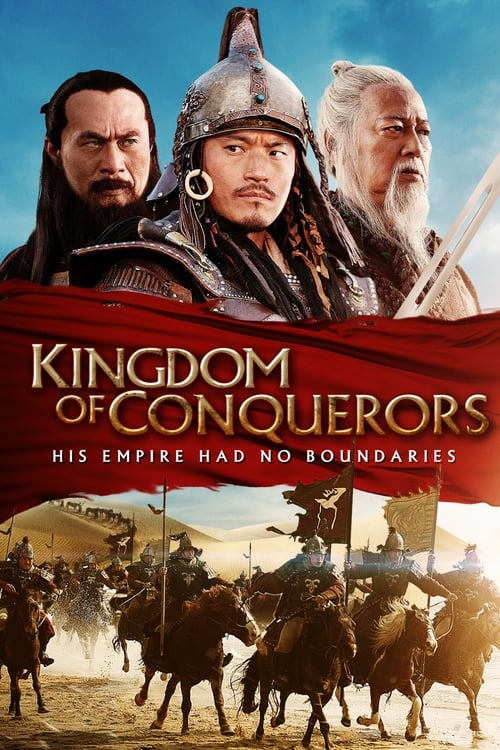
2013
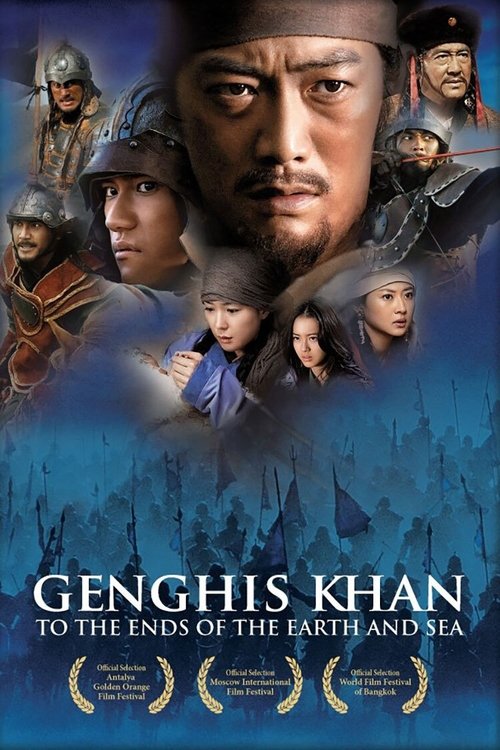
2007
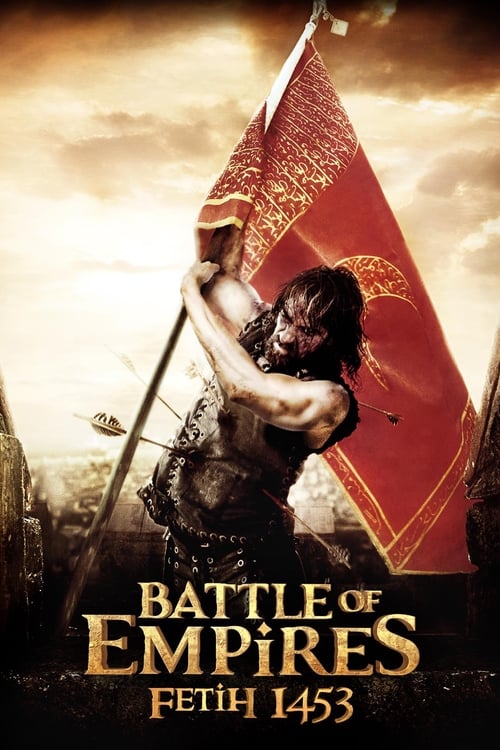
2012
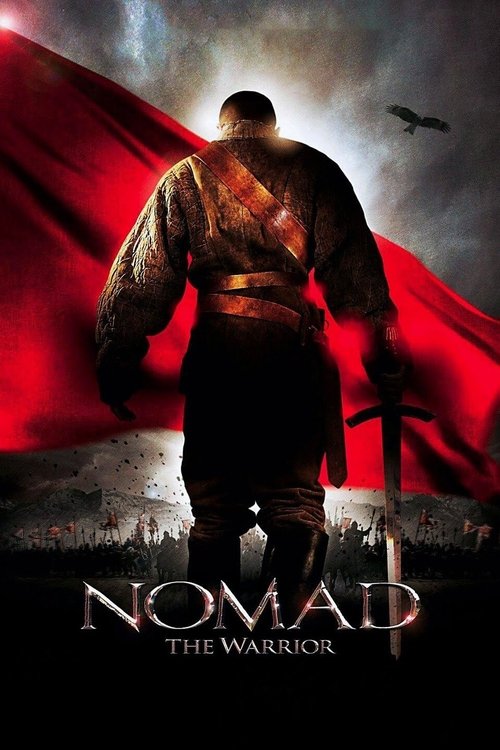
2005
No reviews yet. Be the first to share your thoughts on this movie!
Use the rating form above to leave a star rating and optional review.