Soekarno
2013
No user ratings available yet
Representation score: 6.6 out of 10
Representation Score
Limited
2015
Director
Garin Nugroho
Runtime
161 minutes
Average Rating
No ratings yetNew Showbiz Analysis
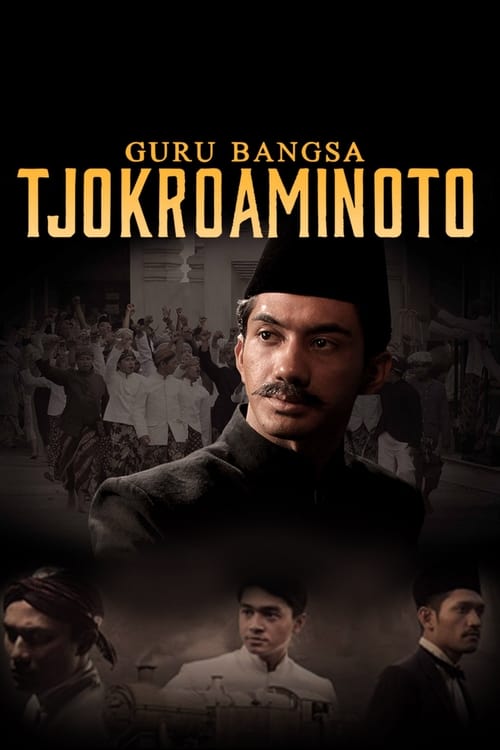
The film opens in the cramped, suffocating heat of a Dutch colonial prison, where a Javanese intellectual is interrogated by a Dutch officer. This immediate framing establishes the central conflict: the struggle for dignity against an empire that views indigenous people as "sluggards" and "monkeys." The narrative then flashes back to the protagonist’s childhood, where the tension between traditional Javanese honor and colonial exploitation is first felt. The sold meaning is clear: Indonesian identity is forged through the synthesis of Islamic piety, Javanese heritage, and modern education, all directed against colonial oppression. The film’s argument is that true liberation comes from internalizing one’s cultural and religious roots while engaging with the world. The mother figure, played with grave authority, serves as the moral compass, teaching the protagonist that "Hegira"—migration from a bad place to a better one—is not just physical but spiritual. This traditional framing treats family and faith as unshakeable strengths, not obstacles. The Dutch are not nuanced; they are the hollow backdrop of extraction, their cruelty serving only to highlight the protagonist’s growing resolve. The ending settles on the protagonist’s intellectual and spiritual authority, rewarding his synthesis of tradition and modernity. The camera lingers on his face, affirming his status as a national hero. The film does not question the traditional gender roles or class structures that support this hero; instead, it celebrates them as the bedrock of national identity. The last image is a portrait of a man who has found his place in history, grounded by his mother’s wisdom and his faith. It is a traditionalist’s vision of nation-building, where heritage and duty are the ultimate rewards.
Category Breakdown
The narrative tracks Tjokroaminoto’s heterosexual life without queer characters or intimacy. No identity markers appear in the historical drama.
Women serve as domestic anchors, with the mother providing moral grounding and the wife waiting. The male protagonist retains all public agency and historical credit.
The film centers Javanese agency against Dutch colonial oppression. Non-white characters hold the moral center, while Dutch figures are framed as extractive antagonists.
Islamic faith and Javanese tradition drive character motivation and resistance. The film positions religious piety and national heritage as the foundation for political action.
No characters with physical, sensory, or cognitive impairments appear. The cast consists of able-bodied actors performing historical roles without disability as a plot element.
Present on Screen
Limited or Absent
Official Synopsis
In 1912, Javanese activist Omar Said Tjokroaminoto co-founds the Sarekat Islam party to fight injustices of the Dutch East Indies' colonial regime.
2013

2019
2005
2018

2017
2023
2023

1976
No reviews yet. Be the first to share your thoughts on this movie!
Use the rating form above to leave a star rating and optional review.