
Dear Rena
2005
No user ratings available yet
Representation score: 5.3 out of 10
Representation Score
Limited
2020
TV-YDirector
Angling Sagaran
Runtime
94 minutes
Average Rating
No ratings yetNew Showbiz Analysis
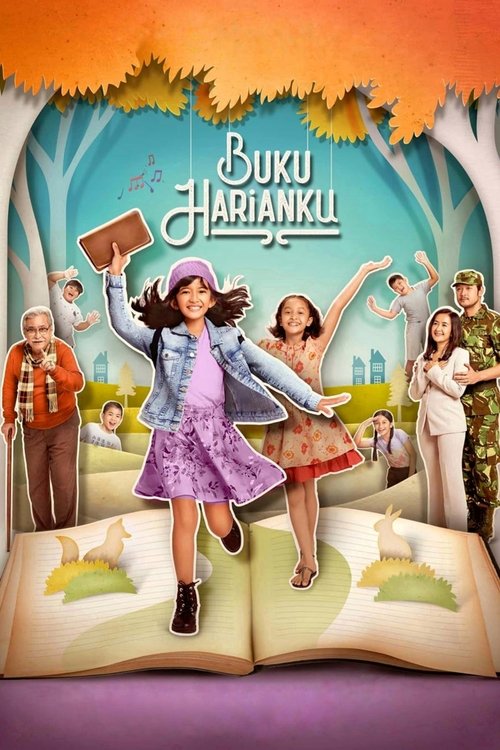
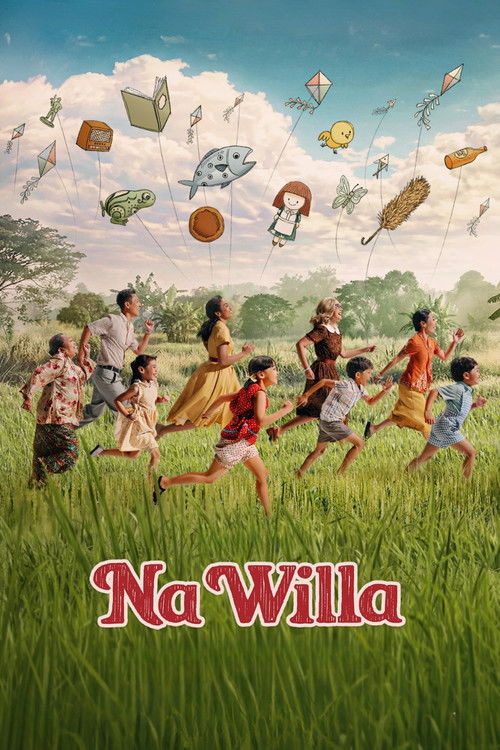
Buku Harianku is a family drama centered on Kila, a young girl living under her grandfather's care in a village. The story emphasizes traditional interpersonal relationships and developmental milestones over identity-driven narratives or systemic critiques. While Kila provides a female-led perspective, the supporting cast adheres to conventional familial structures. The narrative lacks explicit representation of LGBTQ+ identities or disabilities, focusing instead on traditional domestic clichés. The setting implies a non-Western cultural context, but specific ethnic diversity and cultural nuances are not clearly defined.
Category Breakdown
The film centers on childhood friendships and family changes. It does not include any non-traditional gender identities or same-sex relationships.
Kila is a female lead character who navigates traditional domestic roles alongside her family members.
The village setting suggests a culturally specific environment. However, specific ethnic diversity or diverse casting choices are not verified.
The story revolves around conventional family values and intergenerational connections. It follows typical familial drama clichés without challenging societal norms.
There is no mention of characters dealing with physical, neurodivergent, or mental health conditions.
Present on Screen
Limited or Absent
Official Synopsis
By her mother, Kila was entrusted to her grandfather who lived in the village. She then meets her old friend and involved in an unexpected adventure.
2005
2002
2020
2021
2026

2024

2019
2009
No reviews yet. Be the first to share your thoughts on this movie!
Use the rating form above to leave a star rating and optional review.