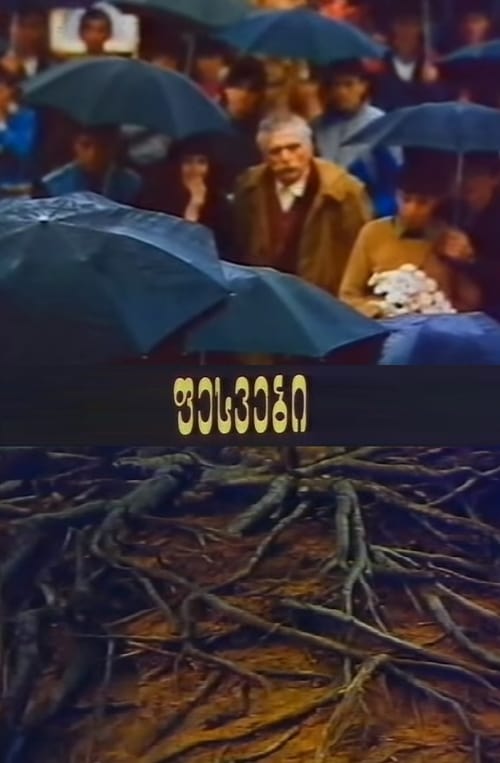
Roots
1987
No user ratings available yet
Representation score: 5.0 out of 10
Representation Score
Limited
1986
Director
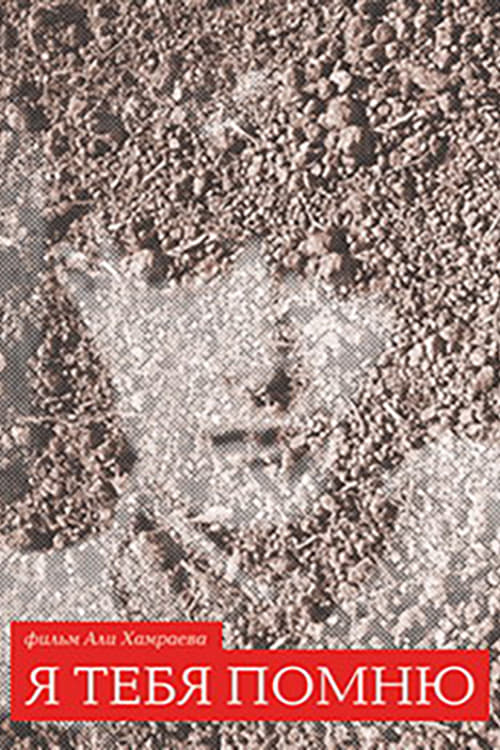
Ali Khamraev
Runtime
90 minutes
Average Rating
No ratings yetNew Showbiz Analysis
Ali Khamraev’s film is a poetic meditation on memory and displacement. It excels by centering a non-Western perspective, offering a nuanced look at ethnic identity that resists both Western stereotyping and Soviet homogenization. While the film does not address progressive social activism around gender or LGBTQ+ identities, its strength lies in resisting cultural erasure. It preserves a specific Central Asian cultural memory through a lyrical, non-traditional narrative structure. Ultimately, the film serves as a bridge between East and West, prioritizing the preservation of heritage and the specific textures of the Uzbek experience.
Category Breakdown
The film focuses on family ties and ancestral memories. It does not include any LGBTQ+ characters or stories about non-cisgender identities.
The story centers on a patriarchal family line and the home environment. Female characters play a key role in driving the main quest through emotional involvement, but the film does not challenge traditional gender roles.
The film offers an authentic portrayal of Uzbek identity and the cultural elements of the Silk Road. It challenges the Eurocentric viewpoint by focusing on a Central Asian cast and setting.
The work highlights local traditions and the preservation of national identity. It emphasizes historical continuity and the unique beauty of the Silk Road over modernization.
There is no significant depiction of visible or invisible disabilities that drive the narrative or serve as a central character element.
Present on Screen
Limited or Absent
Official Synopsis
A dying woman’s wish sends her son on a train journey from the steppes of Uzbekistan to the Russian hinterland in search of his father’s grave. Just as the traveler’s home city of Samarkand is situated on the border between East and West, Khamraev balances his film on the edge of two cultures, evoking the soul of Russia and the crumbling beauty of what was once the Silk Road.
1987
1976
2001
1988
2019
1994
1966
2001
No reviews yet. Be the first to share your thoughts on this movie!
Use the rating form above to leave a star rating and optional review.