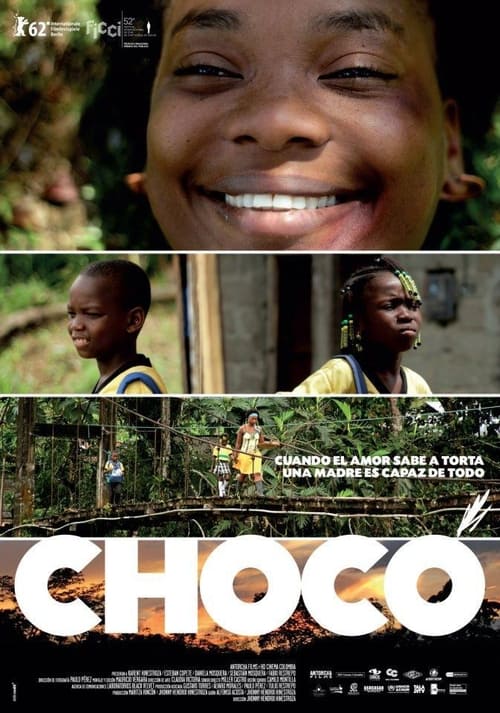
Choco
2012
No user ratings available yet
Representation score: 6.1 out of 10
Representation Score
Good
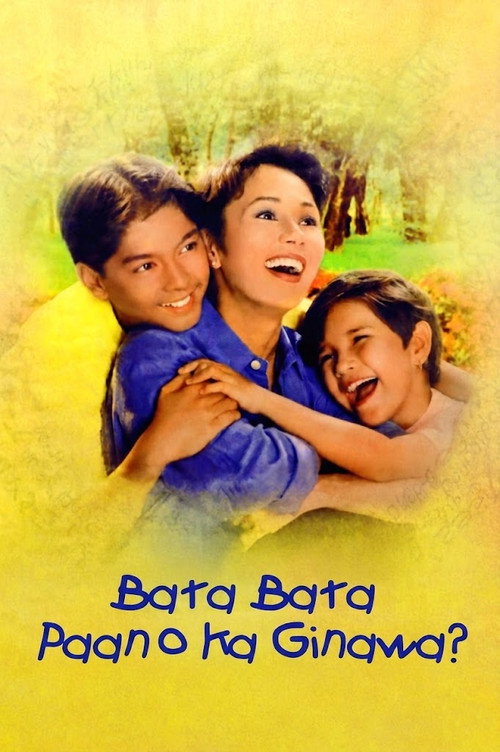
1998
TV-PGDirector
Chito S. Roño
Runtime
109 minutes
Average Rating
No ratings yetNew Showbiz Analysis
Lea's Story presents a grounded portrait of a single mother in the Philippines. Lea Bustamante navigates life with two children from different fathers, demonstrating resilience without male rescue. The film explores non-traditional relationship structures and questions rigid marital expectations. The cast is entirely Filipino, providing authentic cultural context. However, the narrative lacks LGBTQ+ and disability representation. These absences limit the scope of diversity explored in the story. Overall, the film offers strong gender representation and cultural authenticity. It highlights personal independence and family bonds. The lack of broader diversity is a notable limitation.
Category Breakdown
The film features no LGBTQ+ characters or same-sex relationships. It focuses entirely on heterosexual pairings and single-parent dynamics. The narrative does not explore queer identities or experiences.
Lea Bustamante drives the plot as a single mother raising two children. She navigates career and personal challenges without relying on male rescue. Her independence anchors the story’s emotional core.
The cast consists entirely of Filipino actors. The story centers on local family life and community dynamics in the Philippines. This creates an authentic, culturally specific portrait of domestic life.
The film portrays a single-parent household and non-traditional relationships. It questions rigid marital expectations while highlighting the resilience of family bonds. Cultural context remains central to the character’s journey.
No characters with physical or mental disabilities appear in the provided context. Disability is not a thematic element of the story. The narrative focuses on other social and personal challenges.
Present on Screen
Limited or Absent
Official Synopsis
A fiercely independent and unflinchingly candid woman connected with a women's crisis and survival center has to raise her two kids with different fathers. Her first husband has left her when their career options failed to converge. She is now stuck in an extramarital arrangement with another man who cannot bring himself to respect and commit to their quite unorthodox relationship.
2012
1994
2009
2003
2013

1999
2022
2023
No reviews yet. Be the first to share your thoughts on this movie!
Use the rating form above to leave a star rating and optional review.