Young and Healthy
1933
No user ratings available yet
Representation score: 1.3 out of 10
Representation Score
Minimal
1932
Director
Rudolf Ising
Runtime
7 minutes
Average Rating
No ratings yetNew Showbiz Analysis
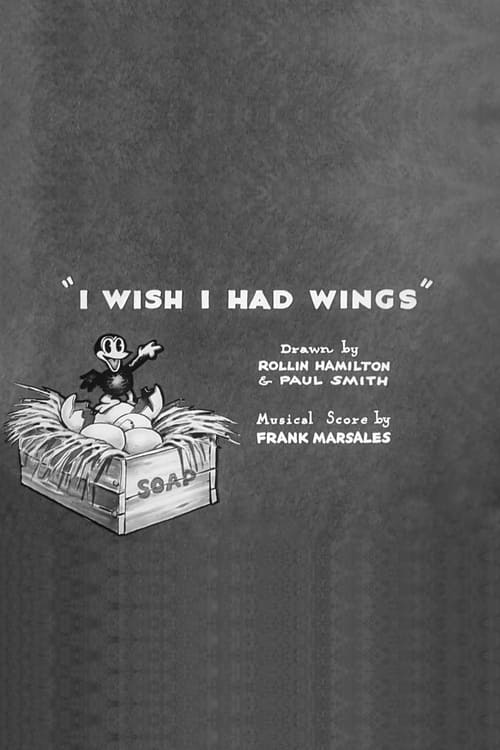
I Wish I Had Wings is a quintessential product of early 1930s slapstick animation. It prioritizes physical gags and established social hierarchies over any form of narrative subversion or demographic complexity. The film relies on traditional archetypes, such as the patriarchal father figure and the nuclear family unit, to drive its simple comedic structure. These elements reinforce the social norms of the era rather than challenging them. While the film uses color differentiation among the chicks, it functions as a tool for physical comedy rather than meaningful representation. The result is a work that lacks intentional depth in reflecting multiple aspects of identity.
Category Breakdown
The film operates within a strictly straight-centered framework. There is no evidence of diverse gender identities or same-sex relationships in the story.
The story centers on a patriarchal domestic structure led by an expectant father rooster. Female characters are limited to passive, infant chicks that reinforce traditional domestic roles.
A single black chick is used as a visual metaphor for scarcity, being crowded out of food. This serves as a slapstick joke rather than a nuanced exploration of identity.
The film reinforces conventional, moralistic views of the nuclear family and nature. It adheres to traditional Western storytelling clichés without deconstructing established institutions.
No characters are depicted with visible or invisible disabilities that drive the narrative or provide a basis for analysis.
Present on Screen
Limited or Absent
Official Synopsis
An expectant father rooster fetches doctor stork, who comes out with a basket full of white chicks and one little black one, who gets crowded out of the food. After singing the title song, he manages to improvise a pair of wings and fly over the chicken coop, but regrets it when he is chased by a mean scarecrow.
1933

1930
1936
1936
1939
1936
1932
1932
No reviews yet. Be the first to share your thoughts on this movie!
Use the rating form above to leave a star rating and optional review.