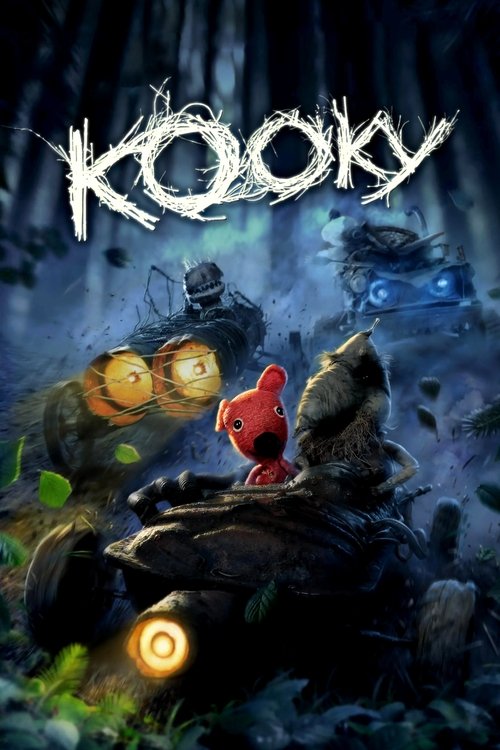
Kooky
2010
No user ratings available yet
Representation score: 4.2 out of 10
Representation Score
Excellent
2009
PGDirector
Jiří Barta
Runtime
78 minutes
Average Rating
No ratings yetNew Showbiz Analysis
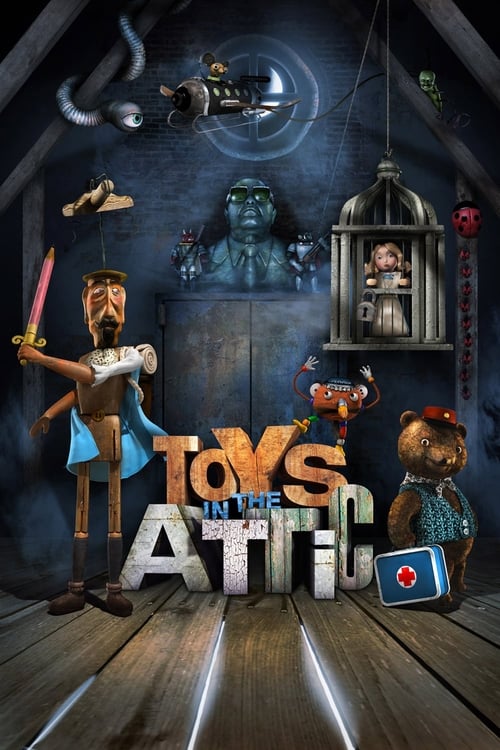
Jiří Barta utilizes a microcosm of discarded objects to construct a narrative centered on survival within a fragmented society. By casting characters as inanimate materials, the film bypasses traditional human clichés to explore themes of displacement. The work functions as a sophisticated piece of metaphorical storytelling. It challenges conventional expectations of identity and social hierarchy by centering characters who exist on the fringes of a consumer-driven world. Ultimately, the film uses surrealist animation to examine systemic exclusion through a collective, non-traditional approach to heroism.
Category Breakdown
The film uses anthropomorphic, non-human entities like marionettes and plasticine creatures to challenge traditional assumptions about relationships. While there is no clear confirmation of specific queer-coded intimacy, the narrative allows for a flexible understanding of identity.
Buttercup, a female doll, serves as the central figure whose abduction drives the plot. The ensemble cast emphasizes a collective ability to act that moves away from traditional patriarchal hero archetypes.
The film uses non-human metaphors to represent diversity, casting characters as disparate materials like wood and plush. This approach explores 'otherness' and integrated communities without relying on human racial clichés.
The setting critiques consumerist capitalism by focusing on discarded junk and systemic victims. The narrative prioritizes the survival of those sidelined by traditional social hierarchies.
Characters are defined by physical imperfections and non-standard forms, such as a plasticine creature. These traits are presented as fundamental to their roles rather than deficits to be cured.
Present on Screen
Limited or Absent
Official Synopsis
In an attic full of discarded junk, a pretty doll called Buttercup lives in an old trunk together with her friends, the marionette Sir Handsome, the lovable Teddy Bear, a Mechanical Mouse and the plasticine creature, Laurent. When Buttercup is snatched and taken off to the Land of Evil, her pals set out on a wondrous and daring adventure to rescue her from the all-powerful Head of State.
2010

1957
2020
2009
2010
2013
2009
1977
No reviews yet. Be the first to share your thoughts on this movie!
Use the rating form above to leave a star rating and optional review.