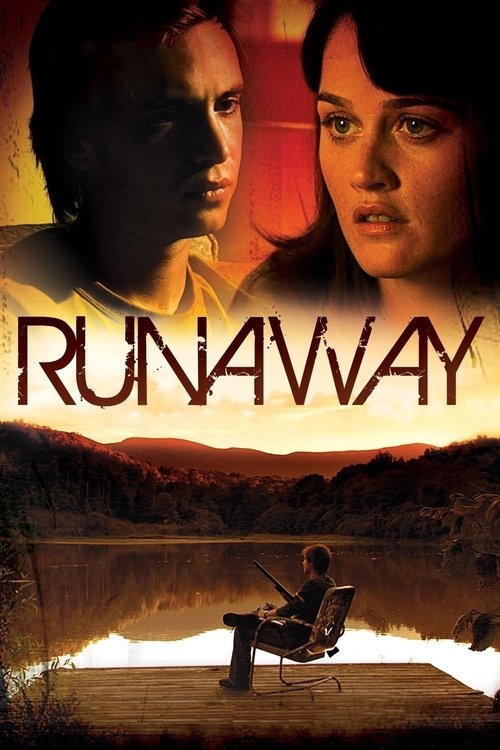
Runaway
2005
No user ratings available yet
Representation score: 2.9 out of 10

Representation Score
Limited
1990
RDirector
Michael Fields
Runtime
93 minutes
Average Rating
No ratings yetNew Showbiz Analysis
Bright Angel is a character-driven film that explores social isolation and the breakdown of family stability. The film challenges traditional family structures by presenting them as sources of trauma rather than support. Though the film doesn't have much racial or LGBTQ+ diversity, it stands out by flipping the script on gender roles. The fragmented, high-stakes plot highlights individual ability to act. Overall, the film serves as a critique of institutional norms, emphasizing the transformative journey of its characters over established laws or social customs.
Category Breakdown
The film doesn't show any non-straight relationships or characters with LGBTQ+ identities. The story focuses on the relationship between George and Lucy.
Lucy challenges the idea that women are passive by being the main force behind the plot. She has a lot of control over the male characters' actions and decisions.
The setting and characters suggest a fairly uniform social group. There is no indication of a multi-ethnic cast or diverse casting.
The story questions the stability of the traditional family by focusing on a broken home. It emphasizes personal freedom and subjective morality over the traditional social order.
There is no evidence showing any depiction of physical, neurodivergent, or mental health disabilities in the narrative.
Present on Screen
Limited or Absent
Official Synopsis
In Montana, naive teenager George longs to escape from his broken home before his dysfunctional parents push him over the edge. When George meets pretty drifter Lucy, she easily convinces him and his friend Claude to join her on a road trip to Montana in hopes of breaking her brother out of jail.
2005

1986
2016

2016
2000
2015
1996

2004
No reviews yet. Be the first to share your thoughts on this movie!
Use the rating form above to leave a star rating and optional review.