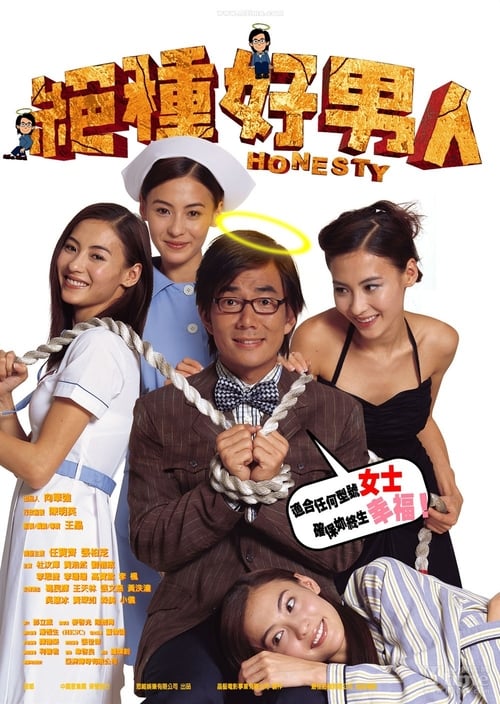
Honesty
2003
No user ratings available yet
Representation score: 3.6 out of 10
Representation Score
Limited
2001
Not RatedDirector
Wong Jing
Runtime
99 minutes
Average Rating
No ratings yetNew Showbiz Analysis
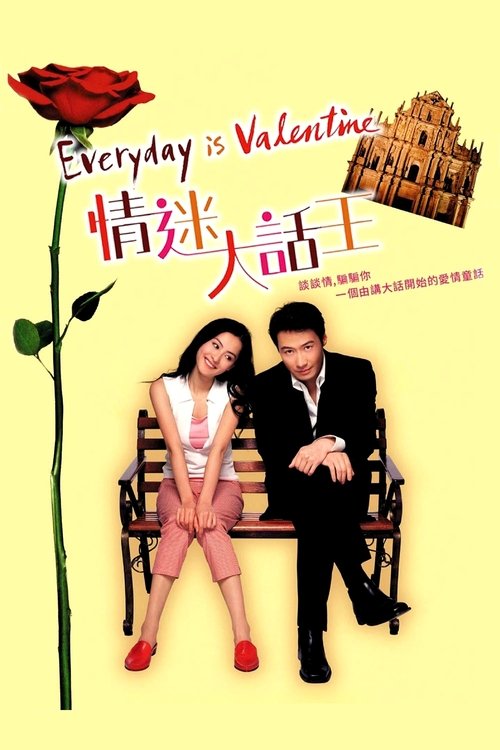
Everyday is Valentine functions as a traditional commercial comedy, relying on established genre conventions instead of using identity-based storytelling to challenge social norms. The film delves into themes of social performance and class-based deception, offering some moral commentary but lacking the layered depth needed for a progressive narrative. Ultimately, the work serves as a culturally specific piece of Hong Kong cinema, focusing on romantic pursuits and situational irony rather than addressing systemic or sociopolitical issues.
Category Breakdown
The film follows typical romantic comedy patterns and does not include any non-straight relationships or critiques of the assumption that everyone is straight.
The story revolves around a woman who actively navigates deceitful men, which potentially challenges the stereotype of passive female leads, although it stays within the boundaries of early-2000s genre standards.
As a Hong Kong production, the cast is primarily East Asian, making it a culturally specific work rather than a multi-ethnic or color-blind casting project.
The movie criticizes materialism through a character who pretends to be rich but does not directly address traditional institutions or broader social critiques.
The narrative does not feature any characters with visible or invisible disabilities.
Present on Screen
Limited or Absent
Official Synopsis
Wonderful can't meet a man who does not lie -- and then she bumps into professional liar Ok, who pretends to be rich in order to win her heart.
2003
1994

2012
1993
1984

1997
2002
1993
No reviews yet. Be the first to share your thoughts on this movie!
Use the rating form above to leave a star rating and optional review.