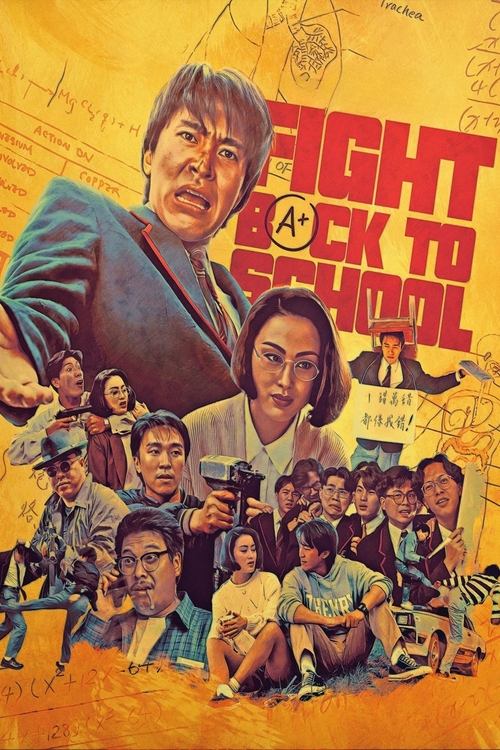
Fight Back to School
1991
No user ratings available yet
Representation score: 4.1 out of 10
Representation Score
Limited
1993
Director
Wong Jing
Runtime
89 minutes
Average Rating
No ratings yetNew Showbiz Analysis
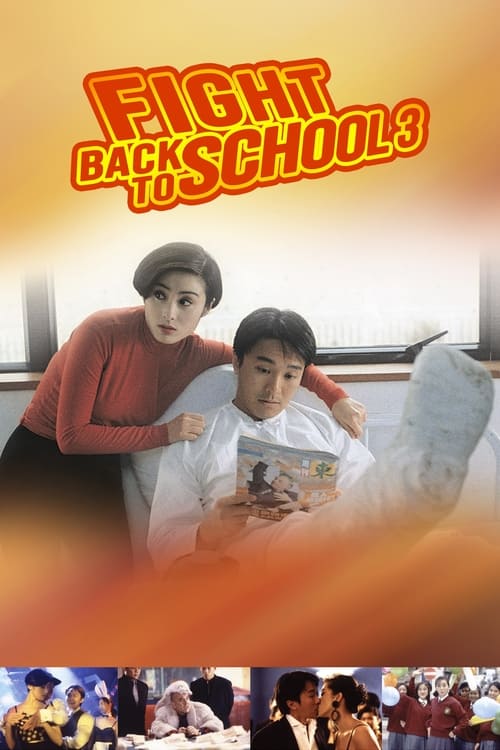
Fight Back to School 3 is a traditional genre comedy that emphasizes well-known clichés of crime and romantic tension. The narrative structure upholds conventional social hierarchies rather than challenging them. The film centers on the tension between professional undercover work and domestic stability, keeping the story within a narrow framework of traditional social responsibilities and relational dynamics. Ultimately, it offers limited engagement with diverse identities and functions primarily as populist entertainment within the established norms of early 1990s Hong Kong cinema.
Category Breakdown
The film focuses on a traditional heterosexual romance and does not include any characters with LGBTQ+ identities or narratives that question the assumption that everyone is straight or cisgender.
The story follows conventional gender roles where the male protagonist handles professional challenges while the female character deals with domestic and emotional issues.
The cast is predominantly of a single ethnicity, reflecting the film's Hong Kong origins. The story focuses on local social hierarchies without exploring multi-ethnic or cross-cultural perspectives.
The plot engages with established societal structures like law enforcement and class systems. However, it does not significantly challenge institutional norms or anti-capitalist sentiments.
The film does not feature any characters with visible or invisible disabilities that play a central role in the plot or character development.
Present on Screen
Limited or Absent
Official Synopsis
Chow Sing Sing returns, only this time he doesn’t go back to school. Instead, Chow goes undercover as the husband of a wealthy socialite, which doesn’t sit well with his fiancée, who tries to convince Chow to quit working as undercover.
1991
1992
1990

1992
1999
1996
1990

1995
No reviews yet. Be the first to share your thoughts on this movie!
Use the rating form above to leave a star rating and optional review.