Rapt in Love
1981
No user ratings available yet
Representation score: 0.8 out of 10
Representation Score
Limited
1982
Director
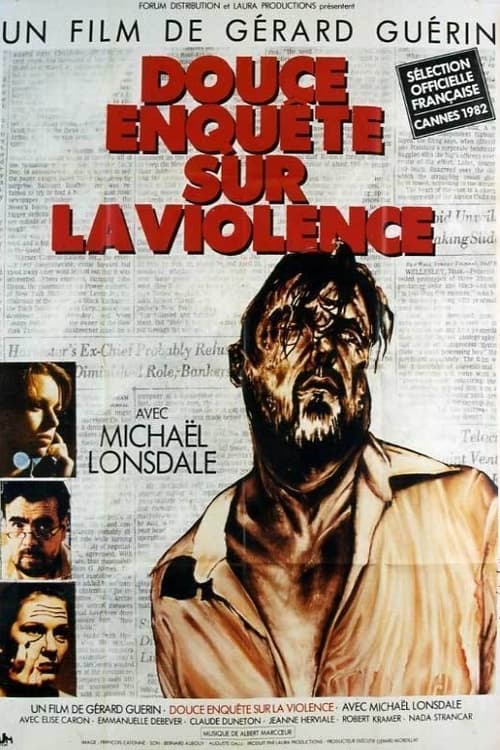
Gérard Guérin
Runtime
98 minutes
Average Rating
No ratings yetNew Showbiz Analysis
Sweet Inquest on Violence primarily critiques the effectiveness of institutions rather than exploring identity. The narrative shifts focus from traditional heroism to an absurdist engagement with conflict, driven by the breakdown of the captor-captive hierarchy. While the film effectively challenges the competence of state-sanctioned security, it lacks intentional demographic representation. The central tension is resolved through philosophical interaction and non-human intervention, rather than characters who reflect more than one aspect of diversity. Ultimately, the work does not examine issues of race, gender, or sexual orientation, focusing instead on the inadequacy of established social orders.
Category Breakdown
The film does not include any characters with non-binary gender identities or same-sex relationships. It also does not explore LGBTQ themes or queerness.
The story challenges traditional authority by showing the police as ineffective. However, it does not show any subversion of gender hierarchies or highlight the intelligence of female characters.
The plot focuses on professional roles and philosophical discussions. There is no indication of a diverse cast, suggesting a narrative centered around a homogeneous social group.
The film prioritizes moral relativism by questioning traditional institutions. It centers on philosophical dialogue and skepticism about the effectiveness of state power.
There is no mention of neurodivergence, physical disabilities, or mental health conditions within the film's context.
Present on Screen
Limited or Absent
Official Synopsis
After a businessman is captured by kidnappers, his rescue seems incumbent on a group of filmmakers, rather than a lackluster police force -- a premise that is matched by the rest of this movie. The kidnapping victim rambles on philosophically with his captors, who end up leaving him alone -- thereby providing him with a chance to escape. As he makes a break for it, he is literally hounded by some guard dogs. Then there are also some interviews with people who know one of the kidnappers, though it is not clear why. Neither the victim, nor the kidnappers, nor the filmmakers can compete with the canines, the only protagonists who add some bite to the action.
1981

1995
1982

1997

1976

1974

1992

2002
No reviews yet. Be the first to share your thoughts on this movie!
Use the rating form above to leave a star rating and optional review.