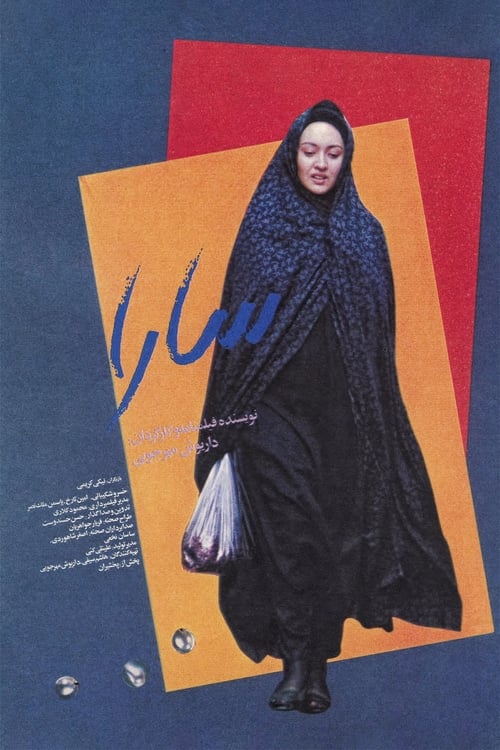
Sara
1993
No user ratings available yet
Representation score: 4.6 out of 10
Representation Score
Excellent
2004
Director
Asghar Farhadi
Runtime
95 minutes
Average Rating
No ratings yetNew Showbiz Analysis
Asghar Farhadi’s drama excels at dismantling traditional social hierarchies and the oppressive nature of institutionalized morality. By presenting the family unit as a source of conflict rather than cohesion, the film offers a sharp critique of social 'honor' and systemic pressure. The narrative provides a nuanced look at class struggle and exclusion through its desert setting and debt-ridden characters. It successfully challenges Western storytelling conventions by grounding the conflict in specific Iranian cultural dynamics. However, the film lacks specific representation for LGBTQ+ identities and provides no clear evidence of disability or neurodivergence. The focus remains heavily on the fallout of traditional social structures and patriarchal policing.
Category Breakdown
The film does not explicitly depict LGBTQ+ identities or relationships outside of heterosexual norms. The narrative centers on traditional marriage and the social stigma faced by the protagonist's family.
Gender hierarchies are challenged by focusing on the conflict arising from the protagonist's wife's mother being seen as shameful. The story highlights the impact of women's ability to drive the story and displacement.
The film offers a deep exploration of non-Western social dynamics. It challenges Western storytelling clichés by placing an Iranian cultural context at the center and examining socioeconomic stratification.
The story provides a sophisticated critique of traditional institutions and social honor. It portrays the family unit as an oppressive mechanism rather than a stabilizing force.
There is no explicit mention of physical or neurodivergent disabilities. The uncommunicative old man might suggest a potential study of social or cognitive isolation.
Present on Screen
Limited or Absent
Official Synopsis
When forced to divorce his wife by family and social pressure because her mother is a prostitute, Nazar works double shifts to pay back the loan he took out for his impulsive wedding and to pay some ongoing restitution to his sweet jilted bride, Reyhaneh. When he falls behind in the payments he flees the police and ends up in the desert with an uncommunicative old man who catches poisonous snakes for their venom. These two are forced to coexist in the desert, because Nazar is unwilling to return to the city and wants to catch snakes to make enough money to settle his debts. His verbose, chattering annoys the reticent old man until Nazar's life is endangered.
1993

1996

2018

2004

2021
2005

2010

2017
No reviews yet. Be the first to share your thoughts on this movie!
Use the rating form above to leave a star rating and optional review.