
The Dangerous Stranger
1950
No user ratings available yet
Representation score: 0.4 out of 10
Representation Score
Limited
1964
Director
Herbert J. Leder
Runtime
20 minutes
Average Rating
No ratings yetNew Showbiz Analysis
Produced by the Highway Safety Foundation, this 1964 dramatized documentary serves as a cautionary social tool. Its primary objective is the reinforcement of traditional social protections and the identification of deviant behavior within a moralistic framework. The film lacks the narrative complexity required to explore the way different parts of someone's identity overlap or to challenge traditional hierarchies. Instead, it functions to uphold mid-century institutional norms and social order.
Category Breakdown
The film focuses on a specific criminal pathology and likely reinforces traditional assumptions about straight relationships by framing deviance as moral failure rather than exploring diverse identities.
The narrative likely adheres to traditional 1960s gender roles, positioning women as domestic figures or moral guardians, which reinforces traditional concepts of protection and social order.
Casting and settings likely reflect the homogeneous social norms of the mid-century era, with no indication of non-white majority casts or diverse ethnic representation.
The film aligns with traditional Western institutional values, functioning as a tool for social regulation by promoting a singular morality regarding the protection of the family unit.
The film deals with psychological deviance but lacks nuanced character studies. Mental health conditions are likely used as cautionary examples rather than being portrayed with real power.
Present on Screen
Limited or Absent
Official Synopsis
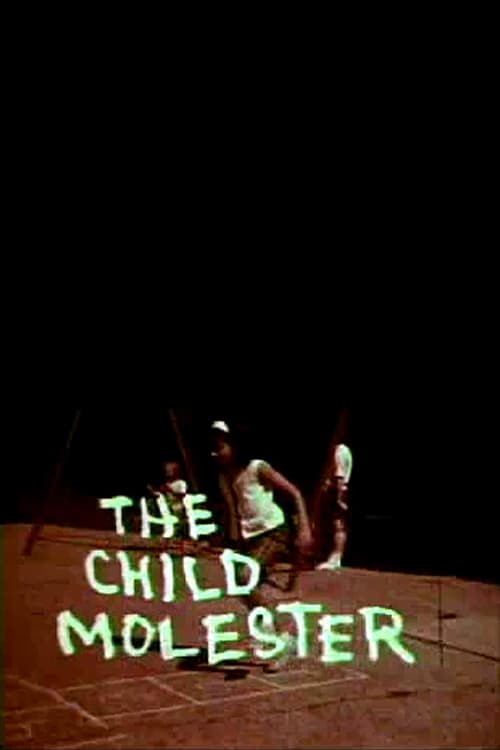
Produced by the Highway Safety Foundation in 1964, this shocking film deals with a subject quite taboo for its time. The short serves as a dramatized warning, ending with graphic case studies.
1950
1996
1961
1976
1971
1948
2000

1984
No reviews yet. Be the first to share your thoughts on this movie!
Use the rating form above to leave a star rating and optional review.