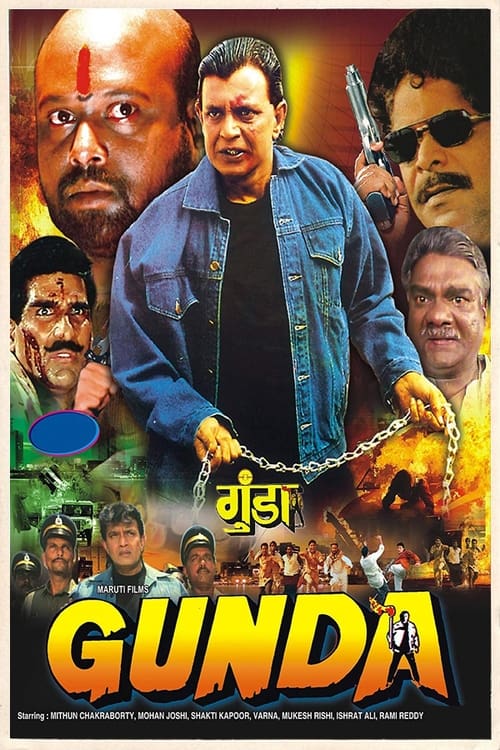
Gunda
1998
No user ratings available yet
Representation score: 2.1 out of 10
Representation Score
Limited
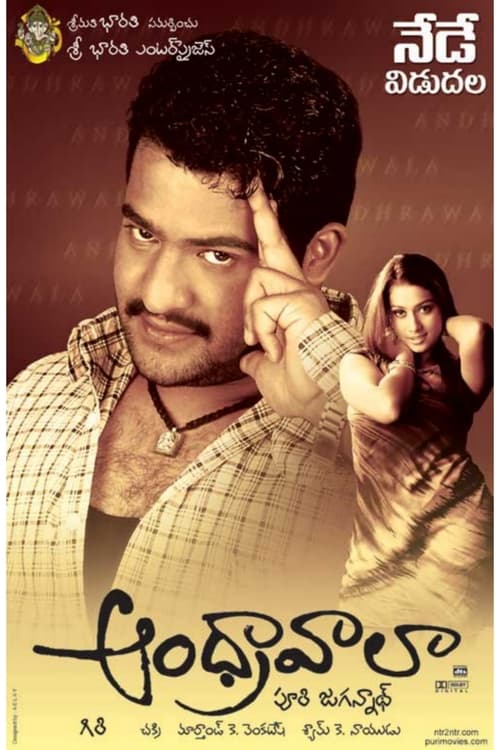
2004
Director
Puri Jagannadh
Runtime
148 minutes
Average Rating
No ratings yetNew Showbiz Analysis
Andhrawala is a genre-driven action film that emphasizes class-based ability to act over broad social representation. While it lacks diversity in terms of LGBTQ+ identities and disability, it successfully centers underrepresented socio-economic groups. The film's strength lies in its portrayal of an outsider protagonist who disrupts established hierarchies. It uses the conflict between labor unions and mafia syndicates to critique systemic corruption and the greed of the elite. However, the film remains tied to traditional masculine storytelling clichés, focusing on male lineage and leadership, which limits its gender diversity and broader social scope.
Category Breakdown
The film does not include any LGBTQ+ characters or themes. The story focuses on traditional family ties and labor disputes.
The story is driven by male characters, centered around a male labor leader and his son. Women do not hold positions of systemic authority.
The film showcases class-based diversity within a Telugu-speaking region. It highlights the lives of the working class and those living in slums.
The narrative criticizes unchecked capitalism and corrupt power structures. It challenges traditional domestic models by featuring a protagonist raised by a community.
There are no characters with physical, sensory, or neurodivergent disabilities playing central roles in the plot.
Present on Screen
Limited or Absent
Official Synopsis
Shankar, leader of a labour union, is killed by a mafia don. His son Munna, who is raised by the slum dwellers, is unaware of his past. However, his enemies identify him and attempt to kill him.
1998

2009

2011

2016
2004
2013
1991

2015
No reviews yet. Be the first to share your thoughts on this movie!
Use the rating form above to leave a star rating and optional review.