Dark Harvest
2004
No user ratings available yet
Representation score: 2.5 out of 10
Representation Score
Limited
2013
RDirector
Sheldon Wilson
Runtime
85 minutes
Average Rating
No ratings yetNew Showbiz Analysis
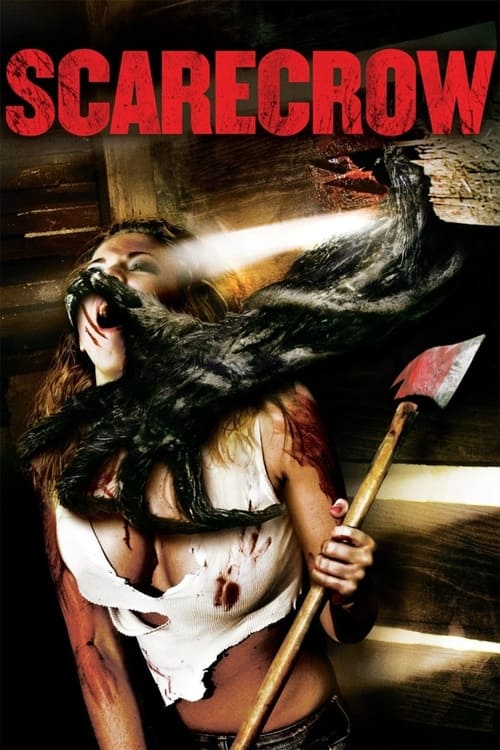
Scarecrow operates strictly within the established boundaries of the rural horror subgenre. It prioritizes traditional folklore and conventional social hierarchies over any attempt at storytelling that reflects multiple aspects of identity or systemic subversion. The film's structure relies on familiar clichés, such as the urban legend and the small-town setting. This approach results in a narrative that feels culturally and demographically narrow, adhering to standard genre expectations without expanding its scope. Ultimately, the film lacks the complexity required to challenge social norms. It presents a world defined by traditional romantic pairings and established gendered dynamics, offering little in the way of progressive representation.
Category Breakdown
The story revolves around a heterosexual relationship between Aaron Harris and his girlfriend, Amanda. There is no indication of non-straight or non-binary identities or queer perspectives within the narrative.
Gender roles follow traditional patterns, with the male protagonist holding authority as a teacher. Amanda is primarily defined by her connection to domestic and agricultural labor on her family farm.
The film appears to feature a homogeneous demographic typical of small-town horror. There is no mention of a diverse cast or intentional racial representation in the rural setting.
The plot relies on Western folklore and local traditions like the Scarecrow Festival. It focuses on maintaining community legacies and property rather than exploring diverse cultural critiques.
The narrative does not feature characters navigating physical, neurodivergent, or sensory disabilities. No representation of disability is present in the provided details.
Present on Screen
Limited or Absent
Official Synopsis
For generations, it was an urban legend that lived in the nightmares of children. Now, the season to rejuvenate the tale will revive a town's darkest fears. With the Scarecrow Festival on the horizon, school teacher Aaron Harris is doling out punishment for six students serving detention. Their task: help Aaron's girlfriend Amanda fix her family farm before it's sold. But the cornfields circling the farm come with a legend and Tyler takes macabre delight in recounting the tale: It never sleeps, it never dies, it can't be stopped, hear their cries.
2004
1998
2017
2009
2009

2017
2003
2008
No reviews yet. Be the first to share your thoughts on this movie!
Use the rating form above to leave a star rating and optional review.