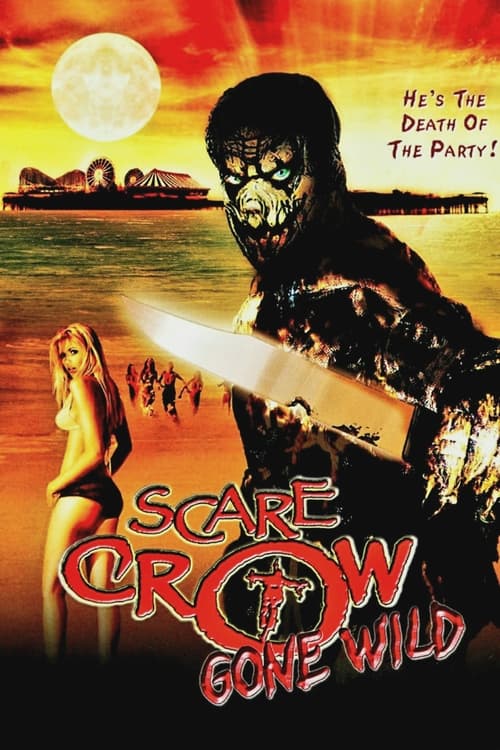
Scarecrow Gone Wild
2004
No user ratings available yet
Representation score: 2.7 out of 10
Representation Score
Limited
2003
RDirector
David Michael Latt
Runtime
90 minutes
Average Rating
No ratings yetNew Showbiz Analysis
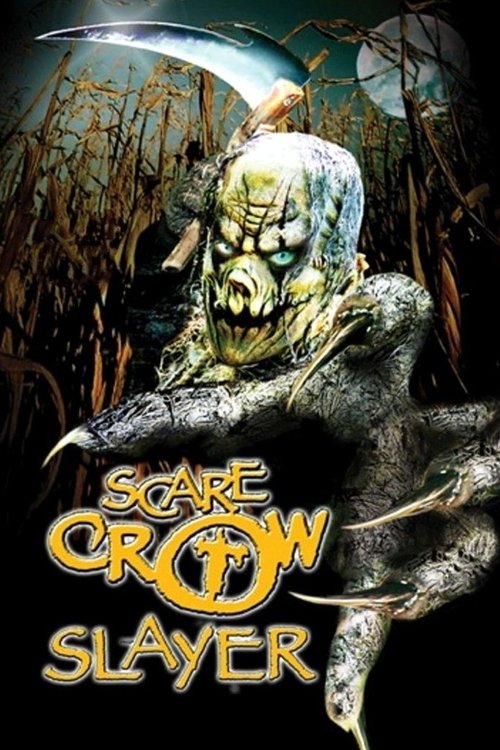
Scarecrow Slayer operates strictly within the confines of traditional horror clichés. The narrative focuses on a supernatural resurrection following a fraternity prank, a setup that prioritizes genre thrills over social complexity. Because the setting is a collegiate brotherhood, the film leans heavily into established masculine archetypes. There is a notable absence of multi-layered identities, with no evidence of LGBTQ+ representation or racial diversity in the character descriptions. Ultimately, the film functions as a high-concept genre piece. It does not attempt to challenge social hierarchies or explore identity politics, sticking instead to the predictable patterns of its era.
Category Breakdown
The film does not explicitly show non-straight relationships or non-binary identities. The fraternity setting emphasizes traditional heterosexual social structures.
The story revolves around a fraternity environment, which often reinforces traditional masculine hierarchies. The main conflict seems driven by typical college social dynamics.
There is no indication of a racially diverse cast. The narrative follows conventional genre patterns that typically feature homogenous casting.
The premise follows standard horror clichés without critiquing Western institutions. It does not appear to deconstruct traditional social or family structures.
The film provides no information regarding the depiction of neurodivergence, physical disabilities, or mental health conditions within its character arcs.
Present on Screen
Limited or Absent
Official Synopsis
A college freshman is killed during a fraternity prank and is resurrected as a demonic scarecrow
2004
1992
2002
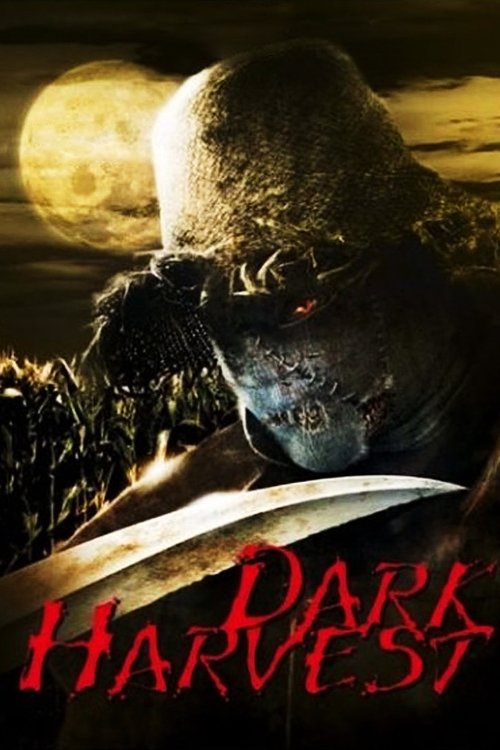
2004
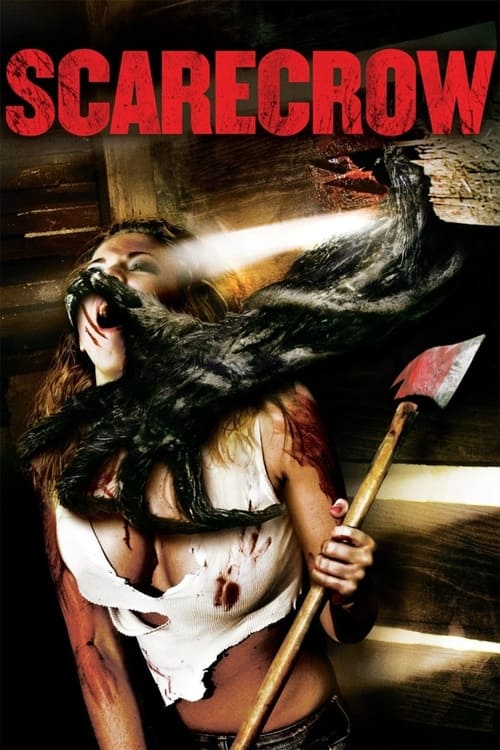
2013
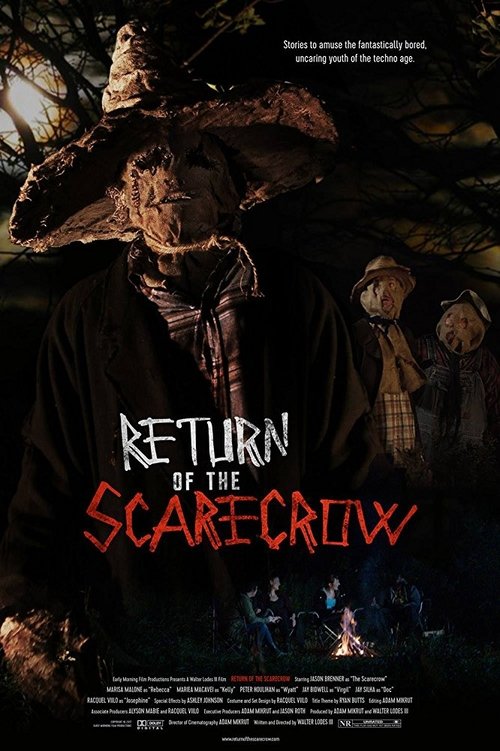
2018
2000
2005
No reviews yet. Be the first to share your thoughts on this movie!
Use the rating form above to leave a star rating and optional review.