
WWE: Macho Man - The Randy Savage Story
2014
No user ratings available yet
Representation score: 2.6 out of 10
Representation Score
Minimal
2007
TV-14Runtime
130 minutes
Average Rating
No ratings yetNew Showbiz Analysis
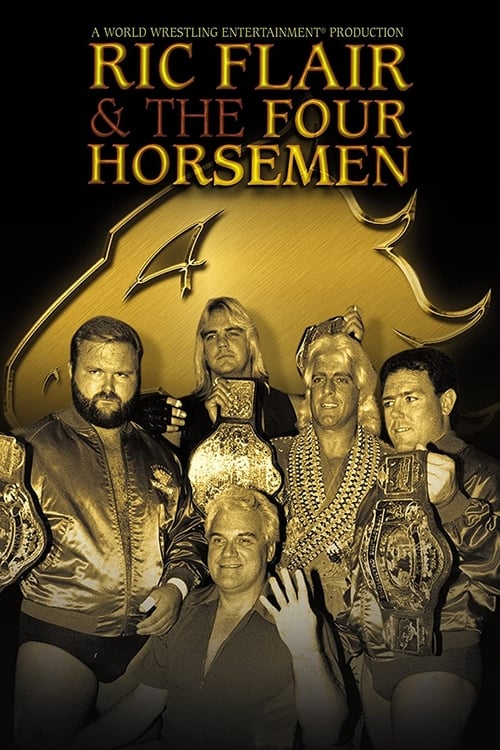
This documentary serves as a historical retrospective of a specific, traditionalist athletic subculture. It prioritizes established hierarchies of masculine dominance and reflects the demographic homogeneity of the professional wrestling era it documents. The film centers on the power dynamics within the Four Horsemen faction. Given the subject matter's ties to the specific historical demographics of WCW, the representation is inherently limited to the era's mainstream profiles. Ultimately, the production offers minimal engagement with the overlapping aspects of identity or progressive representation frameworks, focusing instead on the competitive politics of a specific group of men.
Category Breakdown
The documentary focuses solely on a male-dominated wrestling stable and does not include any LGBTQ+ characters or narratives related to non-straight identities.
The narrative centers on a male-dominated hierarchy and traditional masculine roles. There is no indication of women taking a leading role or challenging gender hierarchies.
The roster reflects the predominantly white demographic typical of the WCW era. The faction functions as a largely homogeneous unit.
The content celebrates American sports entertainment and Western ideals of individual stardom. It honors performer legacies without deconstructing institutions.
There is no mention of wrestlers with visible or invisible disabilities. The focus remains on the physical achievements of the athletes.
Present on Screen
Limited or Absent
Official Synopsis
One of the first and coolest, factions in Sports Entertainment was The Four Horsemen. This stable was a powerful group that ran roughshod over WCW and lasted for the better part of a decade with its various members, including 16-time World Champion "The Nature Boy" Ric Flair (the constant among the Four Horsemen) as well as other members: Arn Anderson, Ole Anderson, Tully Blanchard, Barry Windham, Sting, Lex Luger, Brian Pillman, Chris Benoit, Dean Malenko, and more.
2014
2018
2010

2015
2016
2009
2010

2004
No reviews yet. Be the first to share your thoughts on this movie!
Use the rating form above to leave a star rating and optional review.