You are here:

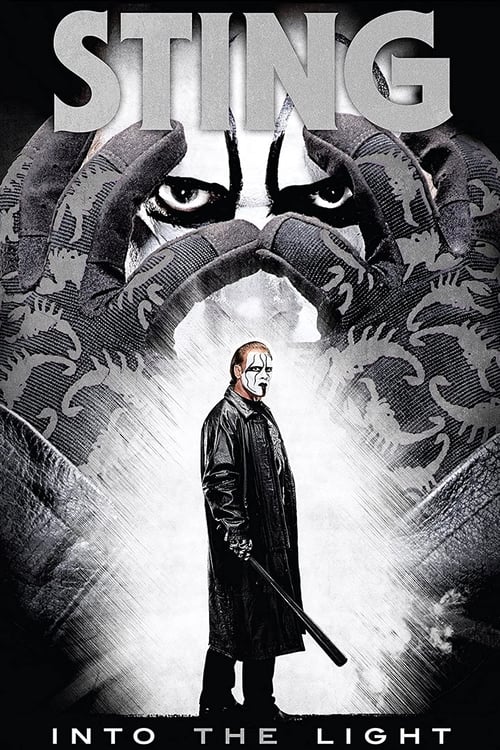
Sting: The Lost Tape

Sting: The Lost Tape

Representation Score

0.6/10

Minimal

2020

TV-PG

Runtime

27 minutes

Average Rating

No ratings yet

New Showbiz Analysis

Sting: The Lost Tape is a specialized biographical documentary that primarily serves as an archival record of a specific athlete's preparation. Given its focus on the internal mechanics of 1990s professional wrestling, it naturally prioritizes individual athletic discipline over broader social representation. The film's narrow scope results in a lack of engagement with diverse identity-based frameworks. It centers on a singular male figure within a traditional sporting context, limiting the inclusion of varied gender, racial, or disability-related narratives.

Watch this, not that →

Category Breakdown

Does Sting: The Lost Tape have LGBTQ+ representation?

Minimal

The documentary does not include any LGBTQ+ characters or stories about non-assuming gender matches what was assigned at birth identities. It focuses solely on the professional activities of the main subject.

How does Sting: The Lost Tape portray gender?

Limited

The film centers on male professional wrestling during a specific time period. It lacks significant roles for women and does not challenge traditional gender hierarchies.

How racially and ethnically diverse is Sting: The Lost Tape?

Limited

This character study focuses on a specific individual's preparations. Although the broader roster included diverse performers, the film does not highlight racial dynamics or diverse casting.

How does Sting: The Lost Tape represent religion and culture?

Limited

The narrative follows traditional sporting and biographical clichés. It emphasizes individual achievement and athletic legacy without questioning Western institutions or traditional social structures.

Does Sting: The Lost Tape include disability representation?

Minimal

There is no evidence of subjects dealing with visible or invisible disabilities. The footage does not include any representation of neurodivergent individuals.

Present on Screen

  • Offers a focused, historical look at the professional preparations of a specific athletic icon.
  • Uses archival footage to provide a rare behind-the-scenes perspective of the 1995 WCW era.

Limited or Absent

  • The narrow biographical focus limits the inclusion of diverse voices and perspectives.
  • The narrative lacks representation of women's ability to drive the story or non-male athletic competition.
  • The film does not address disability or neurodivergent experiences within the sporting environment.

Official Synopsis

Featuring never-before-seen footage and interviews, cameras follow Sting backstage before his big match at WCW Slamboree 1995.

How are these scores produced? →

Where to Watch

Rate this Movie

No rating selected
Use arrow keys to select a rating from 1 to 5 stars
Optional text review, maximum 2000 characters
Tip: Wrap spoilers with ||double pipes|| to hide them
0/2000 characters
You must be signed in to submit a rating

Reviews

No reviews yet. Be the first to share your thoughts on this movie!

Use the rating form above to leave a star rating and optional review.