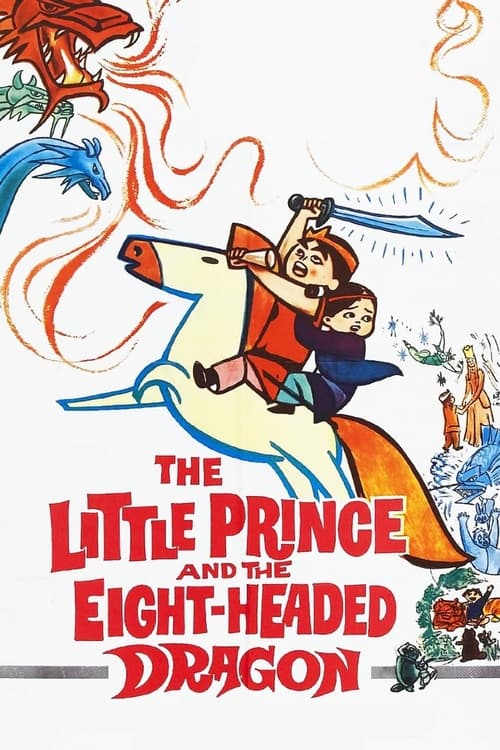
The Little Prince and the Eight-Headed Dragon
1963
No user ratings available yet
Representation score: 4.3 out of 10

Representation Score
Limited
1979
Director
Kirio Urayama
Runtime
75 minutes
Average Rating
No ratings yetNew Showbiz Analysis
Taro the Dragon Boy is a culturally significant work that breaks away from Western-centric animation through its unique aesthetic and mythological foundation. By incorporating East Asian folklore, it provides a refreshing alternative to the typical fantasy clichés of the time. However, the film stays firmly within traditional boundaries. Its narrative structure emphasizes classical heroism and conventional gender roles, offering minimal challenge to social hierarchies or multi-layered complexity. Ultimately, while the film excels in its ethnic specificity, it falls short of the progressive deconstruction of power dynamics seen in more contemporary works.
Category Breakdown
The film adheres to a traditional mythological storyline without depicting any non-binary gender identities or same-sex relationships.
The story focuses on a male protagonist's physical journey. Although the mother is crucial to the plot, her role revolves around needing rescue.
The production stands out by emphasizing East Asian folklore and silk-screen art styles. It steers clear of a white-centric perspective by focusing on an Asian mythological worldview.
The narrative is deeply rooted in traditional spiritual frameworks. It offers a non-Western viewpoint on morality using a classic good versus evil theme.
There are no significant portrayals of physical or neurodivergent disabilities that influence the story or serve as key character traits.
Present on Screen
Limited or Absent
Official Synopsis
Patterned after Japanese art and silk screens, Taro, The Dragon Boy is an animated feature about Japanese mythology and cultures, focusing on Taro, a young boy who has to make a voyage to a distant lake to save his mother, who has been turned into a dragon.
1963
1968

2012
1998

1979
1982
1931
1959
No reviews yet. Be the first to share your thoughts on this movie!
Use the rating form above to leave a star rating and optional review.