Flowers And Rain
2020
No user ratings available yet
Representation score: 5.5 out of 10
Representation Score
Excellent
2021
Director
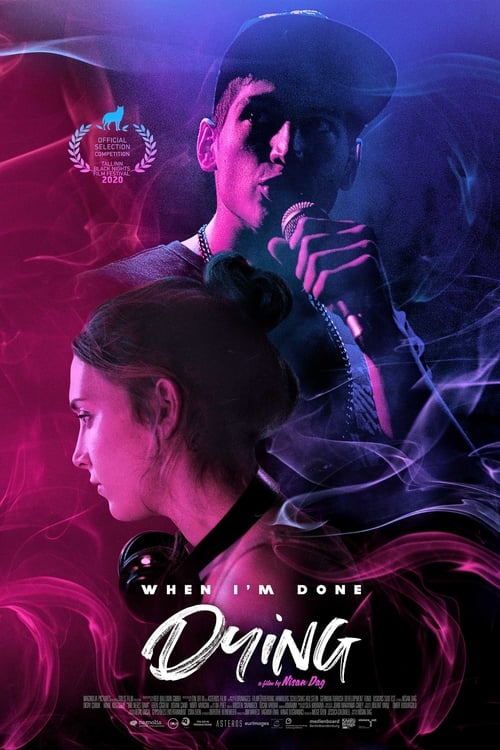
Nisan Dağ
Runtime
90 minutes
Average Rating
No ratings yetNew Showbiz Analysis
Nisan Dağ’s drama stands out as a gritty character study that prioritizes subcultural identity over mainstream clichés. By focusing on the tension between personal passion and familial expectations, the film offers a realistic portrayal of underrepresented urban life. The narrative is particularly strong in challenging traditional social institutions and integrating LGBTQ+ perspectives. The inclusion of Erdem as a central figure disrupts conventional patriarchal structures effectively. However, the film’s focus remains narrow, emphasizing male-centric struggles and brotherhood while limiting the roles of female characters.
Category Breakdown
The film centers around Erdem, the protagonist's gay brother, highlighting his journey as a key part of the emotional storyline rather than a side note.
The story focuses on male-centric issues like addiction and musical ambitions. Devin, a female character, is primarily defined by her relationship with Fehmi.
Set in Istanbul's slums, the film highlights the voices of youth within a socio-economically underrepresented community. It emphasizes the unique urban subculture of the area.
The story challenges traditional social institutions and idealized family stability by favoring secular and grassroots identities, such as Hip-hop culture, over state-sanctioned or religious morality.
The film explores Fehmi’s struggle with addiction, touching on the loss of personal control. However, it does not provide extensive detail on the psychological aspects of his condition.
Present on Screen
Limited or Absent
Official Synopsis
Fehmi is an aspiring young rapper from a slum of Istanbul where the Hip-hop subculture is the voice of the youth. Fehmi dreams of making a successful rap album, despite the disapproval of his family. Fehmi’s addiction to the deadly drug ‘bonzai’ jeopardises his burgeoning rap career. He comes to terms that he needs to quit, yet it’s a challenging pursuit. We witness Fehmi’s struggle through his relationships with his first love Devin, his gay brother Erdem and his band-mate Yunus. The process is an emotional roller coaster for everyone involved. Fehmi holds onto his passion for rap to stay strong in this rough journey.
2020
2013
2023
2019
2013
2017
2021
2019
No reviews yet. Be the first to share your thoughts on this movie!
Use the rating form above to leave a star rating and optional review.