When I'm Done Dying
2021
No user ratings available yet
Representation score: 8.3 out of 10
Representation Score
Fair
2020
Director
Takafumi Tsuchiya
Runtime
114 minutes
Average Rating
No ratings yetNew Showbiz Analysis
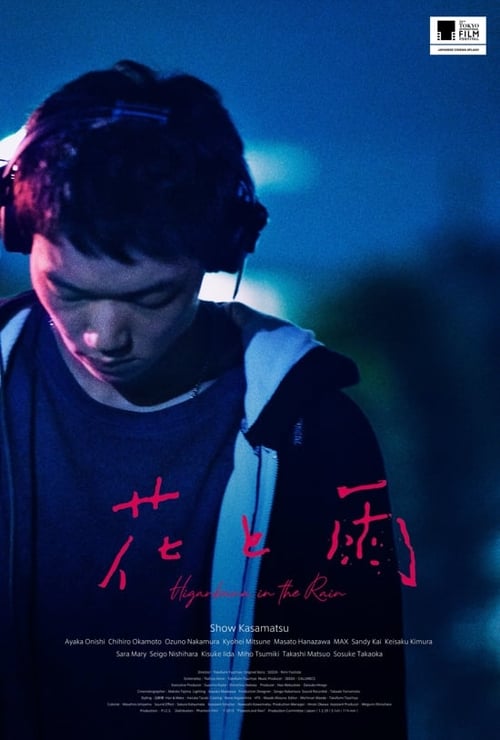
Flowers and Rain is a gritty character study that examines the tension between an individual and the rigid structures of Japanese society. By focusing on a protagonist who feels alienated after returning from London, the film effectively challenges expectations of social cohesion. The narrative finds its strength in the exploration of identity through subcultural immersion. It uses the hip-hop scene and the struggle for survival to critique traditional social norms and institutional expectations. However, the film's scope is limited. It lacks visible representation of LGBTQ+ identities or disability, focusing almost entirely on the protagonist's journey of cultural displacement and musical self-expression.
Category Breakdown
The film does not explicitly mention LGBTQ+ characters or explore non-straight relationships. The narrative focuses on the protagonist's cultural displacement and immersion in the hip-hop scene.
The story centers on a male protagonist's journey towards self-actualization. Although female roles are not detailed, the emphasis on personal ability to act suggests a move away from passive stereotypes.
The film explores the experience of being an outsider within Japanese society. The protagonist's return from London challenges the notion of a homogeneous cultural identity.
The narrative critiques traditional social institutions by emphasizing subcultural belonging over conventional integration. It highlights empowerment through non-conformist behaviors and moral relativism.
There is no indication that neurodivergence, physical disabilities, or mental health conditions play a central role in the narrative.
Present on Screen
Limited or Absent
Official Synopsis
Childhood was complicated for Yoshida and he faces Japanese society as an outsider after his return from London alongside his parents. He feels displaced and frustrated, but soon finds new strength through hip-hop. Under the name of SEEDA, he starts to rap and deals drugs to produce his music while surviving in Tokyo. When he realizes that his new life as a rapper can’t simply undo the connections to his family, it’s too late.
2021
2013
2013
1972
2021
2017
2018
2019
No reviews yet. Be the first to share your thoughts on this movie!
Use the rating form above to leave a star rating and optional review.