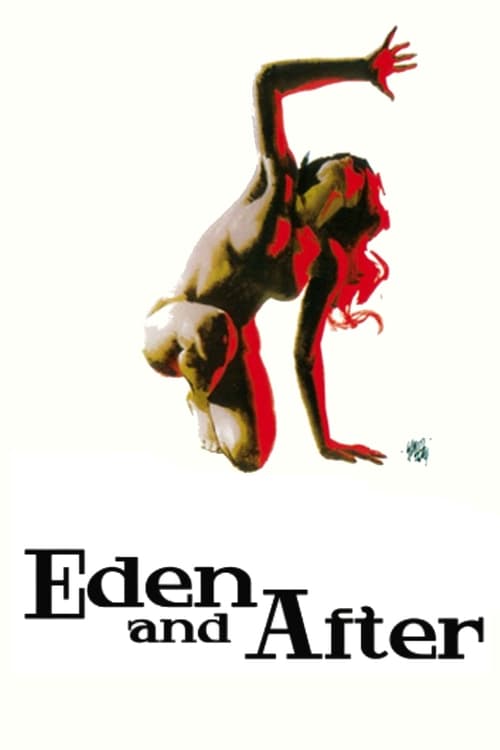
Eden and After
1970
No user ratings available yet
Representation score: 4.7 out of 10

Representation Score
Good
1965
Director
David E. Durston
Runtime
80 minutes
Average Rating
No ratings yetNew Showbiz Analysis
The Love Statue represents a shift in mid-60s independent cinema, moving away from sanitized studio standards toward more psychologically complex storytelling. It engages with the era's counter-cultural movements by breaking down traditional social and moral structures. While the film does not explicitly highlight multi-layered identities, it successfully disrupts traditional gender roles and conventional morality. The narrative's focus on subjective reality and psychological vulnerability sets it apart from the era's typical cinematic offerings. Ultimately, the film's diversity lies in its thematic willingness to embrace chaos and moral relativism rather than through a wide range of diverse character identities.
Category Breakdown
The film does not include any explicitly identified LGBTQ+ characters or non-straight relationships. The story centers on the tumultuous heterosexual relationship between Tyler and Lisa.
The film challenges traditional gender roles by showing the male protagonist as psychologically vulnerable, while the female character exerts dominance through psychological belittlement.
The character Mashiko introduces a non-Western name, suggesting a move away from homogeneous casting. However, there is no strong evidence of actively leading roles for characters of color.
The story focuses on altered states of consciousness rather than established religious frameworks. It questions the stability of Western perceptions by emphasizing a subjective, fragmented reality.
The film explores profound psychological distress and possible neurodivergent experiences through the use of hallucinogens. These elements serve mainly as plot drivers within a mystery framework.
Present on Screen
Limited or Absent
Official Synopsis
Wimpy struggling Greenwich Village painter Tyler Westin is in love with gorgeous, but mean and snippy cabaret dancer Lisa, who treats Tyler like dirt and constantly belittles him. Sultry nightclub singer Mashiko turns Tyler on to LSD. After a nightmarish three day acid trip, Tyler returns to his shabby apartment to find Lisa murdered. Is Tyler responsible for her death? Or did someone else kill Lisa?
1970
1971

1971

1960
1984

1966
1966

1994
No reviews yet. Be the first to share your thoughts on this movie!
Use the rating form above to leave a star rating and optional review.