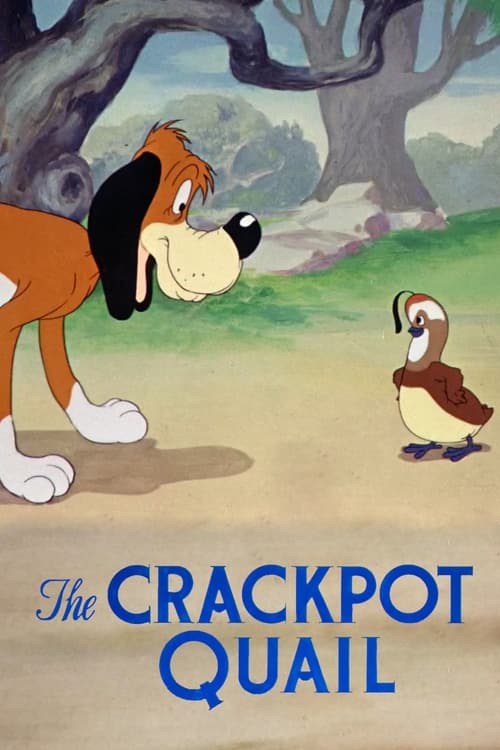
The Crackpot Quail
1941
No user ratings available yet
Representation score: 0.3 out of 10
Representation Score
Minimal
1954
ApprovedDirector
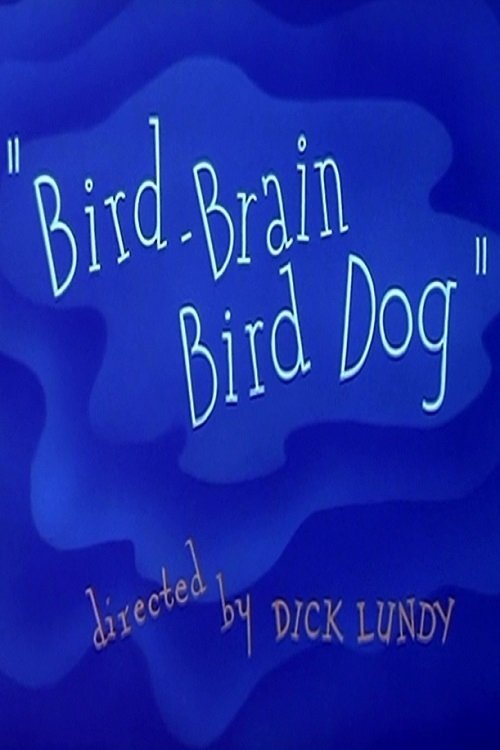
Dick Lundy
Runtime
7 minutes
Average Rating
No ratings yetNew Showbiz Analysis
This 1954 animated short reflects its era, functioning as a conventional mid-century comedy. The narrative structure prioritizes traditional clichés and reinforces standard hierarchical relationships between humans and the natural world. The film does not engage with progressive social frameworks or multi-layered representation. It relies on a homogeneous, traditional Western rural archetype that offers little in the way of social subversion. While the 'trickster' element provides a minor shift in control for the animals, the core premise remains rooted in traditional notions of dominion and property.
Category Breakdown
The film does not depict any LGBTQ+ identities or dynamics that challenge the assumption that everyone is straight or cisgender. The story focuses on a transactional relationship between a human and an animal.
The plot centers on a male character involved in a traditionally masculine activity. While the anthropomorphized animals make it hard to pinpoint specific gendered power dynamics, the story upholds conventional mid-century social roles.
The film features an anthropomorphic cast set in a rural environment. There is no evidence of racial or ethnic diversity or the use of species as metaphors for multiple aspects of identity.
The story operates within a traditional Western framework of hunting and mastery over nature. It follows a standard trickster archetype without offering anti-institutional sentiments.
There is no indication of characters with visible or invisible disabilities. No evidence of neurodivergence or physical impairment is present in the narrative.
Present on Screen
Limited or Absent
Official Synopsis
It's quail-hunting season and Barney goes out to buy a bird dog. He unexpectedly winds up with one that love birds. Barney insists, nonetheless, that the dog find him some game. It comes across a quail and confides in it that he doesn't mean any harm but that Barney does. The dog and bird team up to outfox Barney.
1941
1947

1950
1962
1953
1951
1936
1943
No reviews yet. Be the first to share your thoughts on this movie!
Use the rating form above to leave a star rating and optional review.