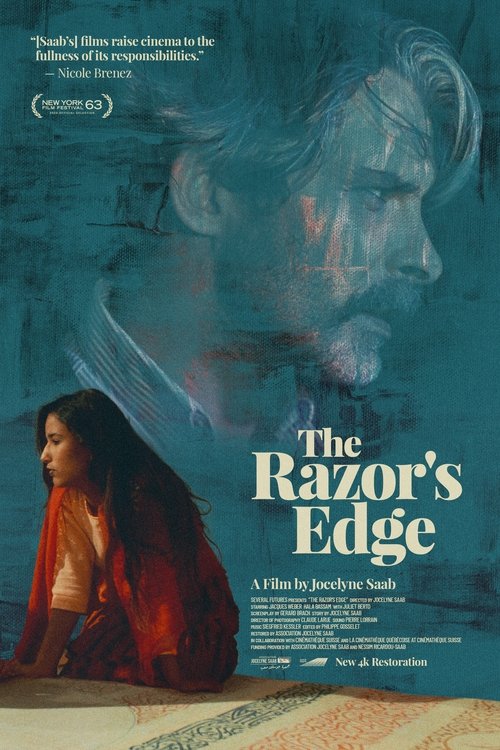
The Razor's Edge
1985
No user ratings available yet
Representation score: 9.0 out of 10

Representation Score
Good
1998
PG-13Director
Ziad Doueiri
Runtime
105 minutes
Average Rating
No ratings yetNew Showbiz Analysis
West Beirut is a sophisticated deconstruction of national identity through the lens of adolescent experience. It moves beyond historical drama to explore the systemic collapse of social structures during the Lebanese Civil War. The film's strength lies in its cultural critique and its portrayal of the complexities of sectarian identity. It avoids monolithic portrayals, instead highlighting how religious affiliations influence survival in a post-colonial context. However, the narrative remains tied to traditional hierarchies. The focus on male-centric friendship and domestic gender roles limits the scope of representation regarding sexuality and gender subversion.
Category Breakdown
The film focuses on male camaraderie and middle-class domestic life. There are no queer narratives or non-conforming gender identities in the main storyline.
The story centers on male friendship and family dynamics dominated by patriarchal values. Women are portrayed in roles defined by domestic or protective spheres necessary due to the conflict.
The film explores ethnic and sectarian identity in a nuanced way. It challenges the Western perspective by focusing on a localized, non-Anglo-Saxon viewpoint on identity politics.
The film excels in critiquing traditional institutions and the breakdown of state authority. It uses the divided city to explore sectarian fragmentation.
The film does not focus on visible or invisible disabilities. Characters' struggles are defined by war and political instability rather than neurodivergent or physical conditions.
Present on Screen
Limited or Absent
Official Synopsis
In 1975, the long slog of civil war has recently begun in Beirut. Two friends, Tarek and Omar, suffer during the Lebanese civil war. Conflicts arise when they decide to cross from West to East, crossing the Muslim-Christian line that divides Beirut.
1985

2007
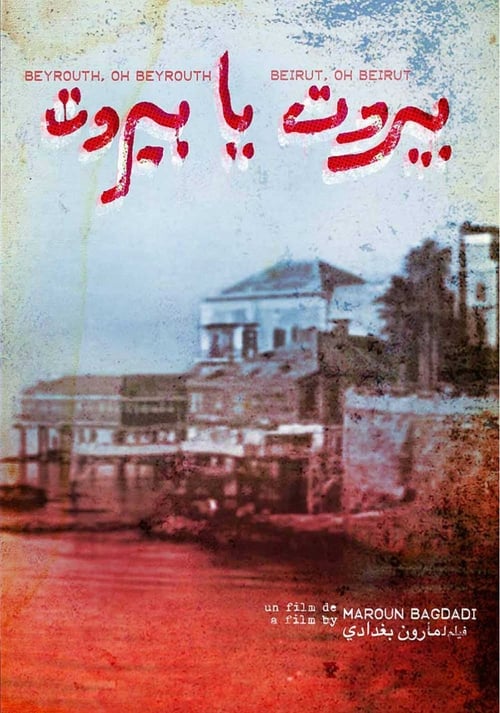
1975
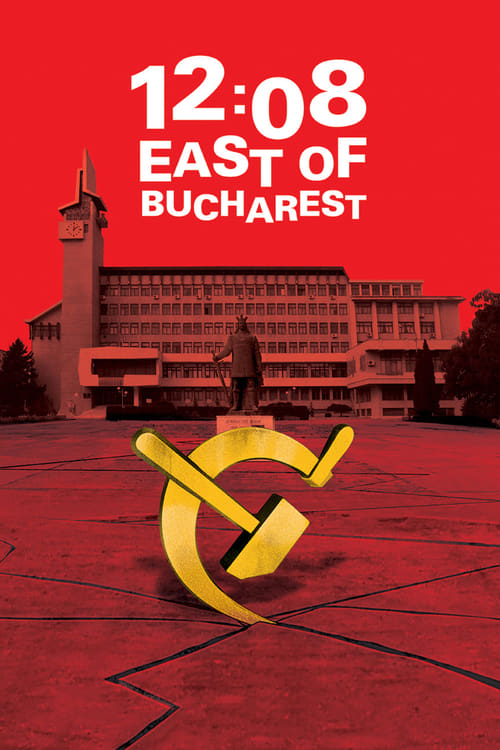
2006
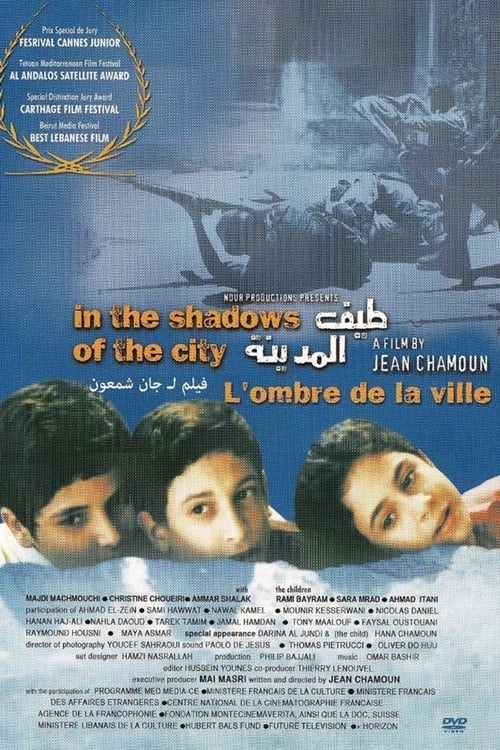
2000

2025
2004

2020
No reviews yet. Be the first to share your thoughts on this movie!
Use the rating form above to leave a star rating and optional review.