
Uncle
1997
No user ratings available yet
Representation score: 8.1 out of 10
Representation Score
Good
2015
Director
Adam Elliot
Runtime
21 minutes
Average Rating
No ratings yetNew Showbiz Analysis
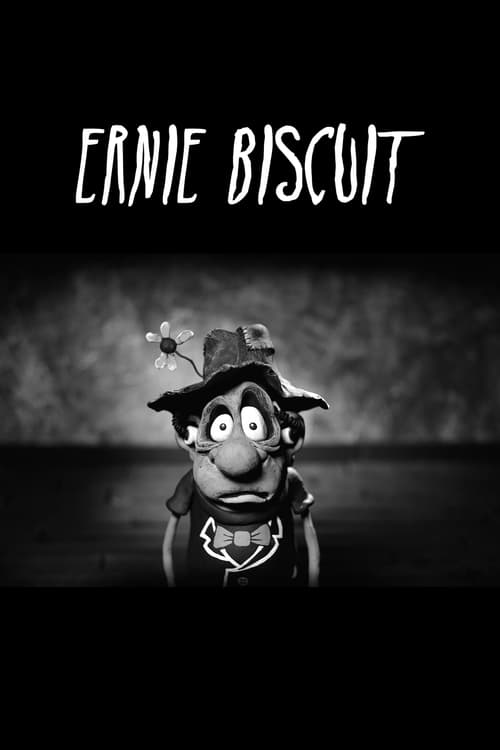
Adam Elliot’s *Ernie Biscuit* is a character-driven animation that prioritizes the lived experience of a sensory-different individual. By centering a deaf protagonist, the film integrates disability as a core narrative lens rather than a deficit to be overcome. The film excels in disability representation, offering a nuanced look at how a protagonist navigates a world through a unique sensory perspective. It also challenges traditional masculinity by presenting a male lead defined by solitude and quiet labor rather than traditional dominance. While the film lacks specific data regarding LGBTQ+ or racial diversity, its setting in Paris and its focus on social fringes suggest a departure from mainstream, homogeneous narratives. It remains a specialized study of human connection and isolation.
Category Breakdown
The film doesn't confirm any LGBTQ+ characters or specific romantic orientations. However, the story of a lonely protagonist hints at room for unconventional emotional lives.
The story focuses on a solitary male taxidermist who challenges traditional masculinity by highlighting emotional vulnerability and domesticity over conventional strength or leadership.
Set in Paris, the film features a multicultural backdrop. Though specific racial compositions aren't detailed, the niche focus suggests a move away from homogeneous storytelling.
The narrative critiques the hyper-connected urban life by centering a character defined by silence. It offers a critique of social isolation within modern Western structures.
The protagonist is explicitly deaf, providing meaningful representation of sensory disability. His identity serves as the fundamental lens through which he perceives and interacts with his world.
Present on Screen
Limited or Absent
Official Synopsis
The world of a lonely deaf Parisian taxidermist is turned upside down and back to front when a dead pigeon arrives on his doorstep.
1997

2012
2003
2011
2013
2011
2000
2024
No reviews yet. Be the first to share your thoughts on this movie!
Use the rating form above to leave a star rating and optional review.