
The Four Times
2010
No user ratings available yet
Representation score: 5.5 out of 10
Representation Score
Fair
2014
Director
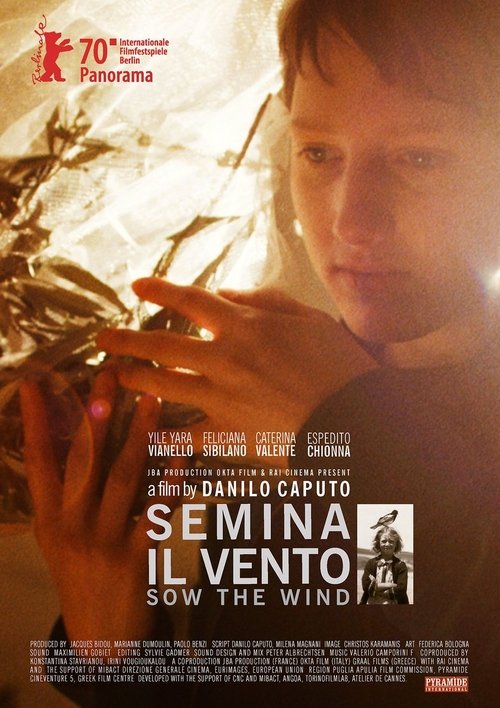
Danilo Caputo
Runtime
80 minutes
Average Rating
No ratings yetNew Showbiz Analysis
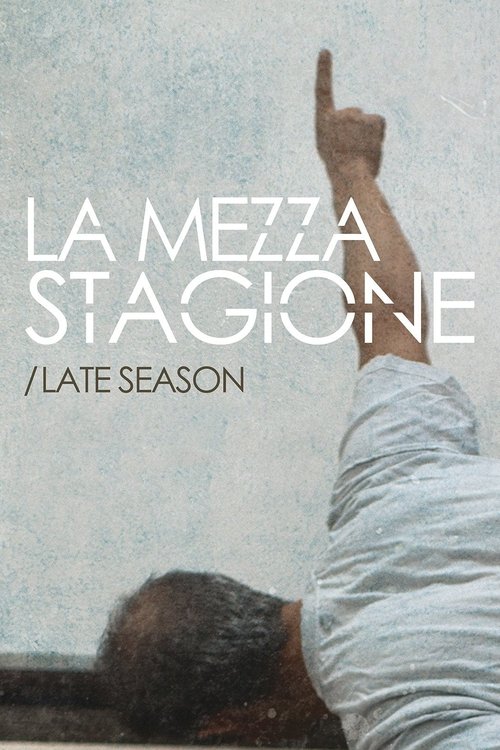
Late Season is a contemplative study of cultural transition rather than a showcase of demographic variety. It focuses on the friction between provincial traditions and modernizing forces in a southern Italian village. The film's strength lies in its thematic depth, using an unsettling tone to critique the rigidity of established social norms. It avoids conventional formulas in favor of atmospheric, character-driven drama. However, the work lacks high-visibility markers of diversity. There is no clear evidence of LGBTQ+ representation, multi-ethnic casting, or the inclusion of characters with disabilities.
Category Breakdown
The film does not explicitly include LGBTQ+ characters or question non-straight relationships. Although the unsettling tone might hint at hidden identities, there is no confirmed representation or critique of the assumption that everyone is straight.
The narrative explores the clash between tradition and modernity, which may involve questioning traditional gender roles. However, it is unclear if women play a significant role in driving the story or if the film challenges patriarchal hierarchies.
Set in a southern Italian village, the cast likely reflects regional demographics. While the film explores modern shifts, no specific instances of non-white or multi-layered representation are confirmed.
The film critiques established social orders by framing the conflict between modernity and deeply rooted traditions. It moves away from singular moralities toward more subjective, perhaps even nihilistic, perspectives.
There is no evidence regarding the portrayal of physical or neurodivergent disabilities within the film.
Present on Screen
Limited or Absent
Official Synopsis
In the opening scene we are witness to an old man’s lament about a world he no longer understands. Subsequent sequences gradually introduce us to various inhabitants of an unspecified southern Italian village and to the many bizarre situations in which the characters of the three vaguely adumbrated stories appear. Although some of them meet on a daily basis, the viewer receives scant information about their relationships, let alone their lives, and with no plot context. Nevertheless, the tone generated by the artfully composed shots and musical accompaniment suggests something inauspicious, even subliminally disturbing. The film, the script of which earned director Caputo the Mattador International Screenwriting Award, seeks to explore the typical Italian provincial world where the effort to be new and modern clashes with a commitment to deeply rooted traditions.
2010
1978
2014
2022
2017
2003
1994
2020
No reviews yet. Be the first to share your thoughts on this movie!
Use the rating form above to leave a star rating and optional review.