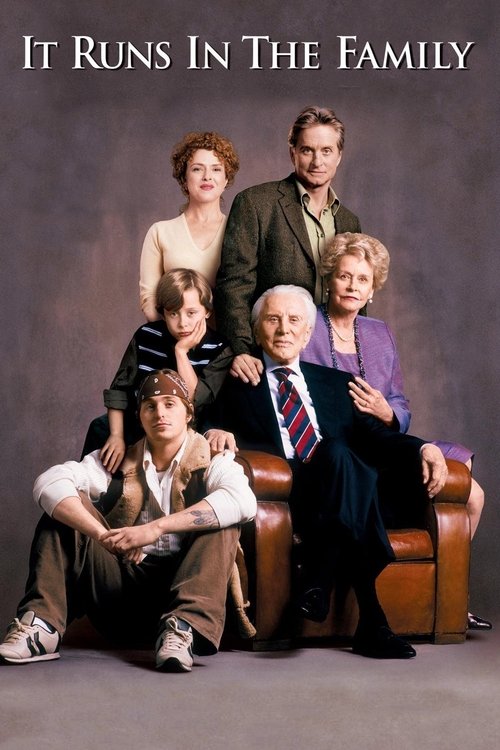
It Runs in the Family
2003
No user ratings available yet
Representation score: 1.1 out of 10
Representation Score
Minimal
1990
RDirector
Bud Yorkin
Runtime
106 minutes
Average Rating
No ratings yetNew Showbiz Analysis
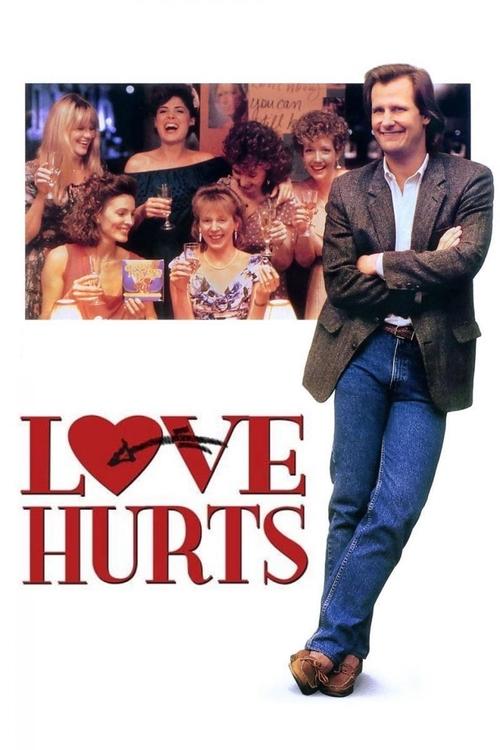
Love Hurts is a traditional character study that adheres to the social and narrative conventions of its time. The film focuses on domestic drama and the complexities of aging through a standard romantic lens. While the film examines emotional vulnerability, it does so within a framework that reinforces established hierarchies rather than challenging them. The storytelling remains grounded in a middle-class, Western social reality. Ultimately, the production lacks the intentionality needed to disrupt systemic norms, opting instead for a conventional exploration of grief and interpersonal stability.
Category Breakdown
The film focuses on a typical heterosexual relationship without any visible non-binary gender identities or stories that question traditional romantic ideas.
The story explores a romantic relationship between a male lead and a younger woman, following traditional romantic clichés rather than challenging patriarchal structures.
The cast appears uniform, reflecting a predominantly white social environment. There are no significant characters from diverse racial backgrounds with substantial roles.
The narrative upholds traditional Western social values and emphasizes the importance of the nuclear family. It does not critique capitalist or secular systems.
There are no visible or invisible disabilities portrayed as central to the character arcs or narrative drivers.
Present on Screen
Limited or Absent
Official Synopsis
The story of Paul Weaver and his strained relationships with women and his family.
2003
1989
1995
1997
1996
1988

1982
1998
No reviews yet. Be the first to share your thoughts on this movie!
Use the rating form above to leave a star rating and optional review.