Gorky Park
1983
No user ratings available yet
Representation score: 4.5 out of 10
Representation Score
Fair
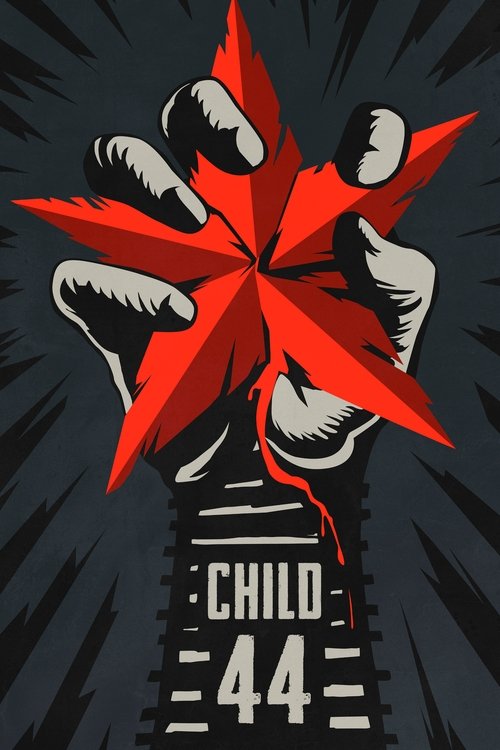
2015
RDirector
Daniel Espinosa
Runtime
137 minutes
Average Rating
No ratings yetNew Showbiz Analysis
Child 44 is a period-specific thriller that prioritizes the critique of political and systemic structures over demographic representation. It functions as a critique of totalitarianism, exploring the conflict between individual morality and state oppression. While the film scores low in traditional metrics like LGBTQ+ and disability representation, it excels in cultural commentary. It challenges the legitimacy of absolute authority by portraying the state as a tool for political survival. Ultimately, the film's impact comes from its historical accuracy and its examination of institutional corruption rather than its breadth of identity-based casting.
Category Breakdown
The film follows the social norms of the 1950s Soviet Union, where there are no depictions of non-straight relationships or gender identities outside the norm.
The story mainly focuses on the male protagonist's career path. While Raisa Demidov is not passive, she remains vulnerable within the domestic sphere.
The cast is mostly made up of people from the same ethnic background, reflecting the specific ethnic makeup of Moscow during the Stalinist era.
The film effectively challenges the myth of a socialist utopia by showing the Soviet state and MGB as corrupt and oppressive institutions.
The film does not include characters with visible or invisible disabilities. The focus remains on political and psychological trauma.
Present on Screen
Limited or Absent
Official Synopsis
Set in Stalin-era Soviet Union, a disgraced MGB agent is dispatched to investigate a series of child murders -- a case that begins to connect with the very top of party leadership.
1983
2009
1995

1971
2013
2009
2007
2021
No reviews yet. Be the first to share your thoughts on this movie!
Use the rating form above to leave a star rating and optional review.