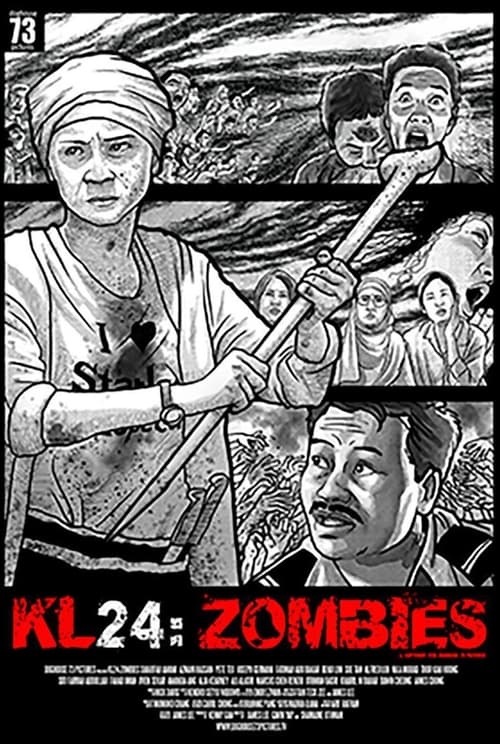
KL24: Zombies
2017
No user ratings available yet
Representation score: 4.8 out of 10
Representation Score
Fair
2020
Director
Wang I-fan
Runtime
96 minutes
Average Rating
No ratings yetNew Showbiz Analysis
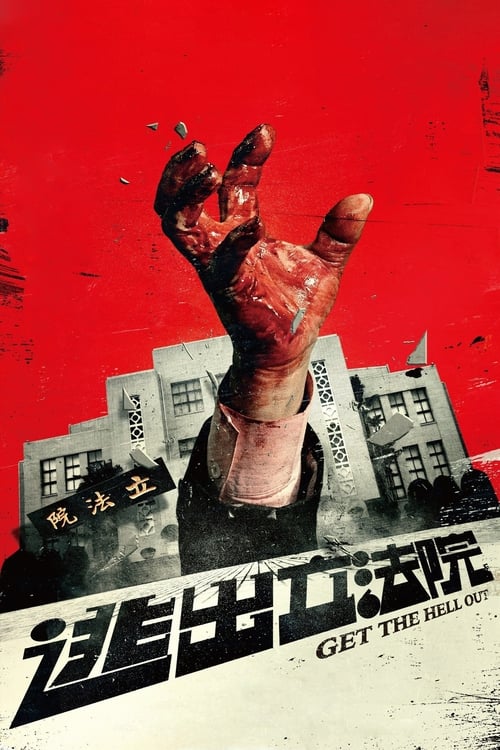
Get the Hell Out successfully shifts the zombie genre's setting from Western to Taiwanese parliamentary grounds. This move provides a fresh cultural backdrop, moving away from typical Anglo-centric political narratives. However, the film's character-level diversity remains unverified. While the relationship between a failing politician and his assistant may offer potential for challenging gendered power structures, the absence of explicit LGBTQ+ or disability representation limits the film's multi-layered depth. Ultimately, the film excels in its institutional critique and cultural specificity, but falls short in providing a broad range of identity-based representation.
Category Breakdown
The film does not explicitly confirm any LGBTQ+ characters or non-straight relationships. There are no obvious queer narratives present in the storyline.
The story focuses on a struggling politician and his assistant. Whether the assistant's abilities challenge traditional gender roles between the two characters is uncertain.
Set in the Taiwanese parliament, the film presents a non-Western cultural context. This shift from typical Western settings offers a unique cultural perspective.
The zombie outbreak serves as a metaphor for criticizing political effectiveness and institutional stability. The horror genre is used to highlight systemic issues within the government.
The narrative does not include any characters dealing with physical, sensory, or neurodivergent conditions.
Present on Screen
Limited or Absent
Official Synopsis
A group, lead by a loser MP and his assistant, must work together to stay alive after a virus infects the Taiwanese parliament and turns them all into ravenous zombies.
2017

2022

2016

2011

2018

2012

2010

2017
No reviews yet. Be the first to share your thoughts on this movie!
Use the rating form above to leave a star rating and optional review.