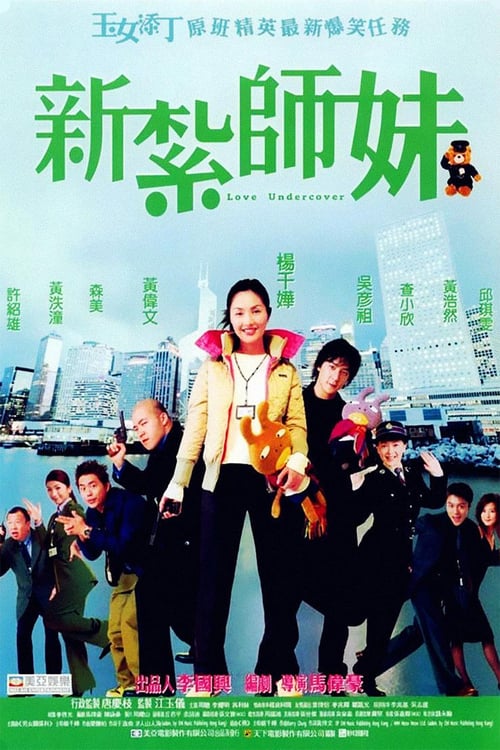
Love Undercover
2002
No user ratings available yet
Diversity score: 3.4 out of 10

1992
Director
Jeffrey Lau Chun-Wai
Runtime
100 minutes
Average Rating
No ratings yetSynopsis
A poet named Butterfly and her friend Kuen visit a stranger's mansion to return some possessions that were unintentionally taken. At the house, they stumbled upon an illegal weapons trade that ultimately went bad. To evade the police from interrogations, the two innocent witnesses wiped away their fingerprints and left a note that stated that the crimes were committed by "The Black Rose," who is known to be a fictional hero in a 1965 movie. However, a recovered fingerprint caused Kuen to be the prime suspect, and the apprentices of the Black Rose, apparently a real hero whose legacy was portrayed in the 1965 movie, attempt to seek the truth in the matter by confronting Butterfly.
Overall Score
Good
Category Breakdown
LGBTQ+ Representation
The film lacks explicit depictions of LGBTQ+ identities or same-sex intimacy. While the genre often embraces camp aesthetics, no non-heteronormative romantic arcs are present in this narrative.
Gender Representation
Butterfly and Kuen drive the plot through high-stakes action and deception. They subvert traditional martial arts tropes by acting as central agents rather than passive observers in a male-dominated genre.
Racial & Ethnic Diversity
The production features a predominantly East Asian cast within the Hong Kong film industry. It centers non-Western perspectives and aesthetics through a culturally specific lens.
Religious & Cultural Diversity
The story explores cinematic myth-making by centering on a legendary hero from a 1965 film. This postmodern approach examines the blurred lines between media-constructed heroism and reality.
Disability Representation
There are no discernible depictions of physical or neurodivergent disabilities within the provided narrative details.
Strengths
Areas for Improvement
AI Analysis
The film succeeds in subverting traditional wuxia hierarchies by placing female protagonists in positions of high agency and physical conflict. Butterfly and Kuen are the primary drivers of the mystery, moving the plot forward through their own decisions and confrontations. However, the narrative remains culturally specific to the Hong Kong film industry, offering a focused East Asian perspective rather than a multi-ethnic one. It also lacks representation for LGBTQ+ identities and disabilities, which limits its breadth of social inclusion. Ultimately, the film's strength lies in its deconstruction of hero tropes and its gendered subversion, using a comedic lens to challenge systemic structures and cinematic legacies.
2002
1996
1988
2003
No reviews yet. Be the first to share your thoughts on this movie!
Use the rating form above to leave a star rating and optional review.