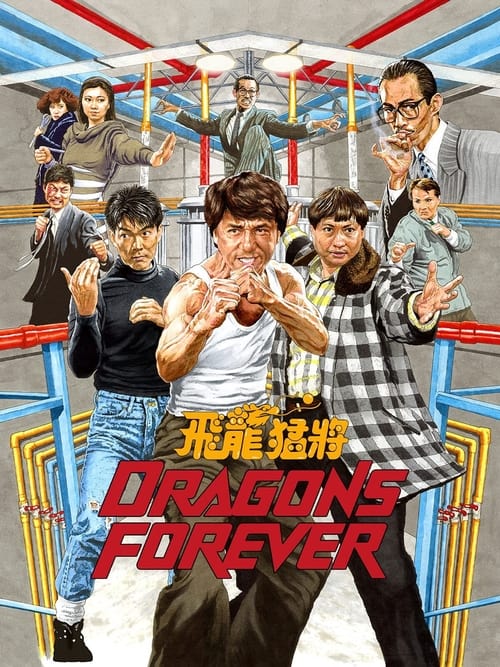
Dragons Forever
1988
No user ratings available yet
Representation score: 3.0 out of 10
Representation Score
Limited
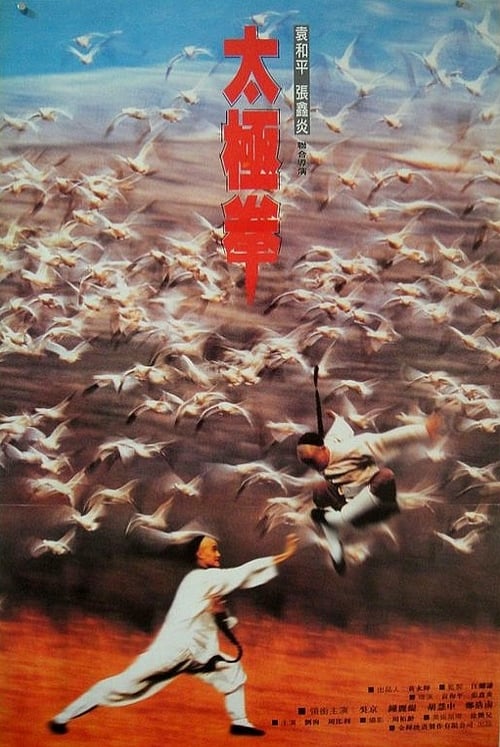
1996
RDirector
Yuen Woo-ping, Cheung Sing-Yim
Runtime
96 minutes
Average Rating
No ratings yetNew Showbiz Analysis
Tai Chi II is a genre-driven martial arts film that prioritizes cultural authenticity and traditional storytelling over modern characters who reflect more than one aspect of diversity. It succeeds in providing a robust, East Asian-centered perspective that avoids Western-centric casting norms. However, the film operates within very conventional social hierarchies. The narrative relies on established gender clichés and lacks any meaningful engagement with LGBTQ+ identities or disability representation. Ultimately, the film is a celebration of martial arts tradition that remains tethered to the standard social frameworks of 1990s Hong Kong action-comedy.
Category Breakdown
The film follows traditional romantic structures and does not include any non-binary gender identities or same-sex relationships, adhering to a conventional framework that assumes everyone is straight or cisgender.
Male protagonists take center stage through standard martial arts clichés. Female characters often serve as catalysts for the male lead or are defined by their relationships with him.
The production features a predominantly Chinese cast that aligns with its historical setting. It provides an authentic representation of East Asian martial arts culture.
The story is rooted in traditional values of martial arts discipline and honor. It focuses on personal mastery and justice rather than modern moral critiques.
There are no prominent depictions of visible or invisible disabilities. The narrative focus remains strictly on physical prowess and martial mastery.
Present on Screen
Limited or Absent
Official Synopsis
A young Tai Chi master fights Opium smugglers with the aid of his powerful braid while wooing a girl.
1988

1993
2002
1994
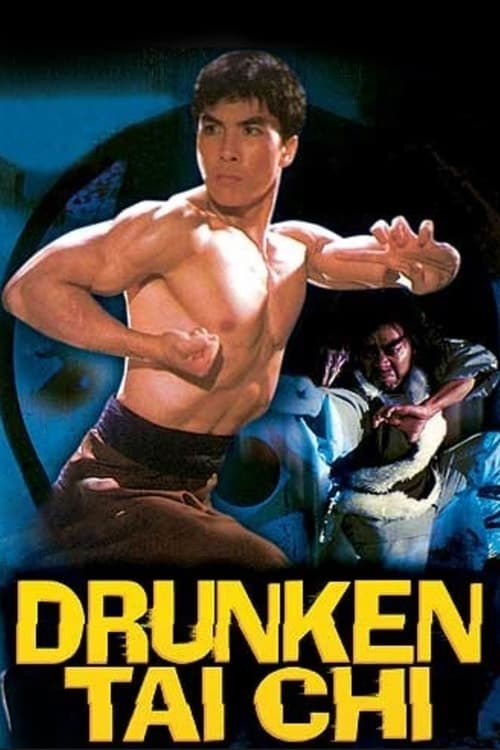
1984
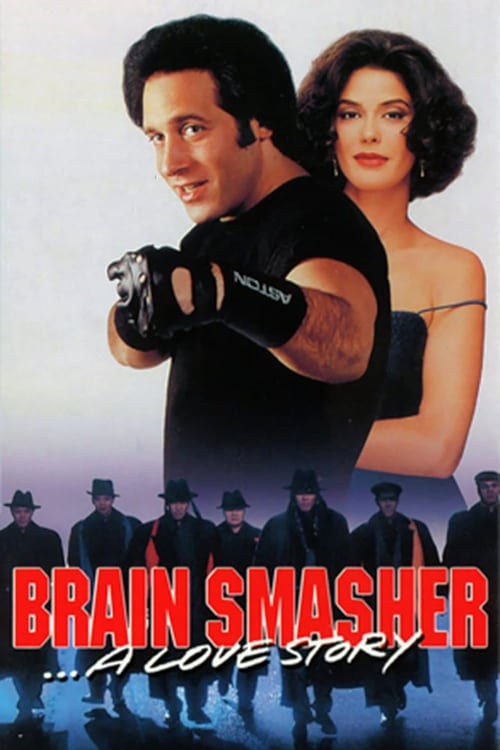
1993
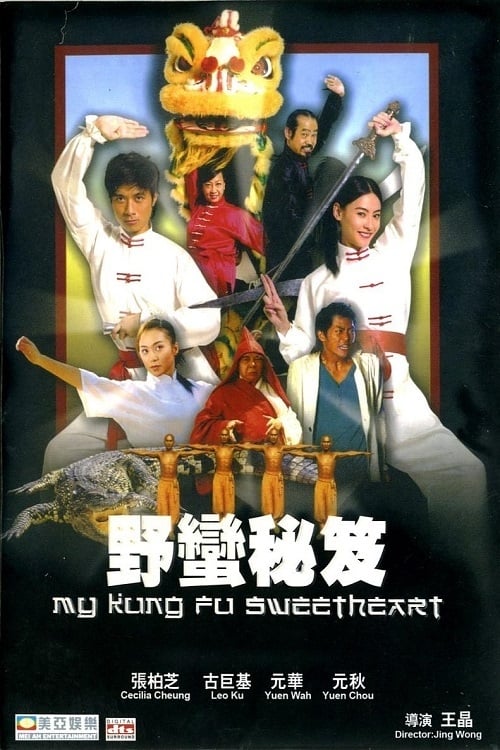
2006
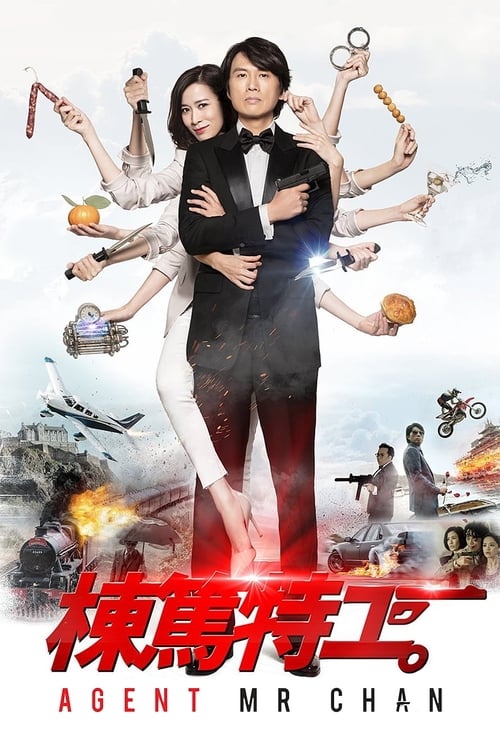
2018
No reviews yet. Be the first to share your thoughts on this movie!
Use the rating form above to leave a star rating and optional review.