
National Lampoon's Last Resort
1994
No user ratings available yet
Diversity score: 2.8 out of 10

2006
RDirector
John Bacchus, Zachary Snygg
Runtime
73 minutes
Average Rating
No ratings yetSynopsis
In Manhattan, Seymour is a fast-talking, flatulent, frustrated director of titillation flicks, in search of fame and fortune. With a crudely drawn map, he sets sail for Bone Island, his crew including Fanny, his latest discovery. The island is home to the legendary Kinky Kong, a massive gorilla. The crew overcomes the ape and takes him back to New York to exhibit - but chains break, and the ape is on the loose. Liberty is in danger.
Overall Score
Limited
Category Breakdown
LGBTQ+ Representation
The film lacks any evidence of non-heteronormative identities or same-sex intimacy. The focus on titillation suggests a reliance on traditional, objectified tropes rather than nuanced queer narratives.
Gender Representation
Fanny is framed as a 'discovery' by the male protagonist, suggesting a hierarchy where women are treated as commodities. There is no indication of high-agency female characters or subverted gender roles.
Racial & Ethnic Diversity
The narrative follows a classic Western expeditionary model that centers Anglo-centric perspectives. The cast and setting do not provide evidence of a non-white or intersectional majority.
Religious & Cultural Diversity
The plot reinforces capitalist motivations through the pursuit of fame and fortune. It lacks any indication of secularism, anti-capitalist sentiment, or the deconstruction of Western institutions.
Disability Representation
There is no mention of characters with visible or invisible disabilities. The synopsis and cast information do not address neurodivergence or chronic health conditions.
Strengths
Areas for Improvement
AI Analysis
Kinky Kong operates within a narrow framework of traditional adventure and exploitation tropes. The narrative prioritizes the individualistic pursuit of wealth and commercial spectacle over any meaningful social critique or intersectional depth. The film's structure relies on a male-driven expeditionary model, which tends to reinforce existing social hierarchies. This approach leaves little room for diverse perspectives or the subversion of established norms. Ultimately, the production appears to favor conventional casting and commodity-based character dynamics. This results in a lack of representation across most identity-based categories.
1994

2008

2001

2004

2003
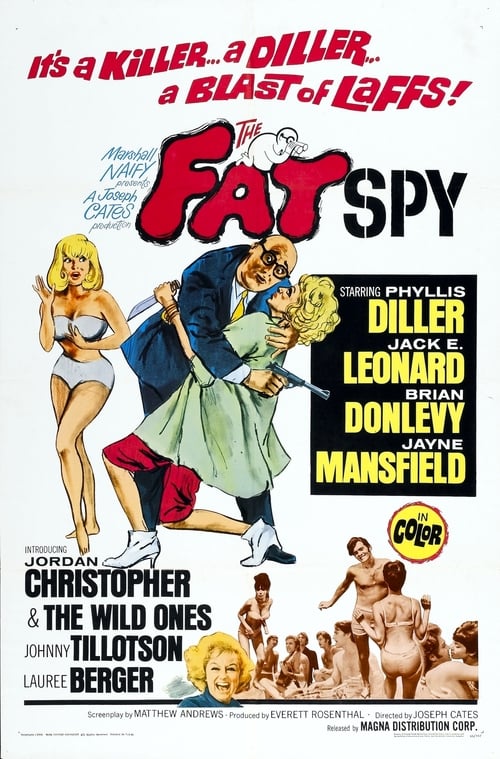
1966
1942

2010
1949

2004
1936
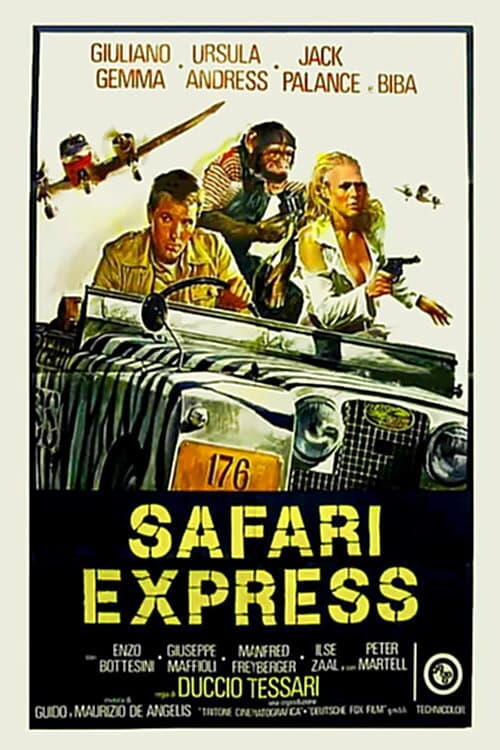
1976
No reviews yet. Be the first to share your thoughts on this movie!
Use the rating form above to leave a star rating and optional review.