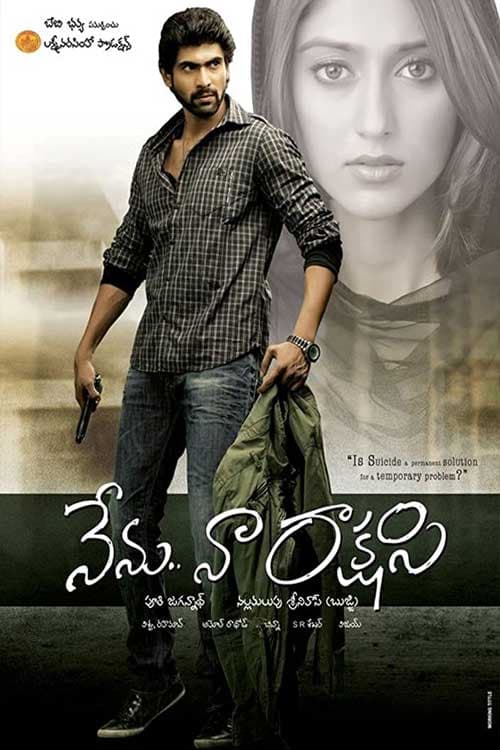
Nenu Naa Rakshasi
2011
No user ratings available yet
Diversity score: 3.1 out of 10
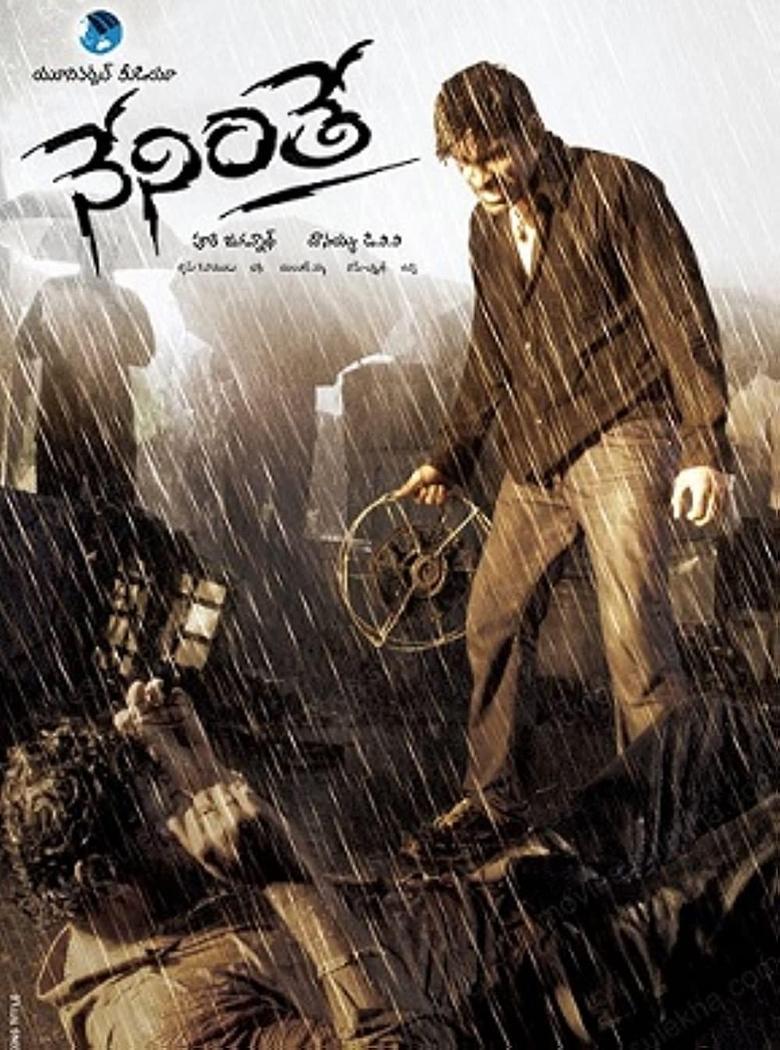
2008
Not RatedDirector
Puri Jagannadh
Runtime
145 minutes
Average Rating
No ratings yetSynopsis
Ravi is an assistant director who dreams of making his own film, but producers are hesitant. Meanwhile, he falls in love with dancer Sandhya, an aspiring heroine with struggles of her own.
Overall Score
Limited
Category Breakdown
LGBTQ+ Representation
The film follows a conventional romantic arc between a male lead and a female dancer. It lacks any depiction of non-cisnormative identities or same-sex intimacy.
Gender Representation
The story relies on traditional hierarchies, centering a hyper-masculine 'mass hero' archetype. The female lead serves primarily as a romantic interest rather than a character with independent agency.
Racial & Ethnic Diversity
The cast is predominantly South Indian, reflecting the regional context of Telugu cinema. It maintains a culturally cohesive identity without attempting to disrupt ethnic homogeneity.
Religious & Cultural Diversity
The narrative mirrors the socioeconomic aspirations of its target audience through a standard commercial framework. It focuses on individual heroism rather than systemic social critiques.
Disability Representation
There is no discernible focus on physical or neurodivergent disabilities. No characters appear to be defined by or utilized through the lens of disability.
Strengths
Areas for Improvement
AI Analysis
Neninthe is a quintessential commercial masala film that prioritizes genre archetypes over social subversion. The narrative is built around a singular, hyper-masculine protagonist, which reinforces traditional gender hierarchies and power dynamics. While the film provides culturally specific representation for its regional South Indian audience, it does not seek to challenge established social norms. The storytelling adheres to standard heteronormative structures and romantic tropes common to the genre. Ultimately, the film functions as a reflection of regional cinematic traditions rather than an exploration of intersectional or diverse perspectives.
2011
2018

2006
2006

2020

2004
2012
2003
2007

2016
2011
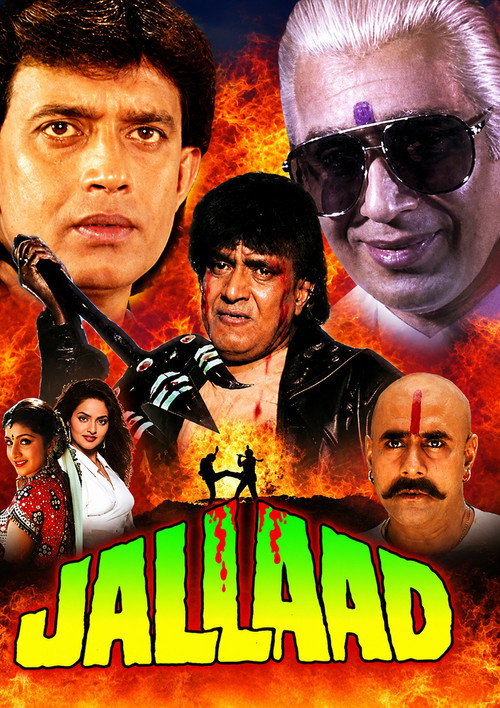
1995
No reviews yet. Be the first to share your thoughts on this movie!
Use the rating form above to leave a star rating and optional review.