
Ticket to Heaven
1981
No user ratings available yet
Representation score: 2.0 out of 10
Representation Score
Limited
1982
RDirector
Ted Kotcheff
Runtime
111 minutes
Average Rating
No ratings yetNew Showbiz Analysis
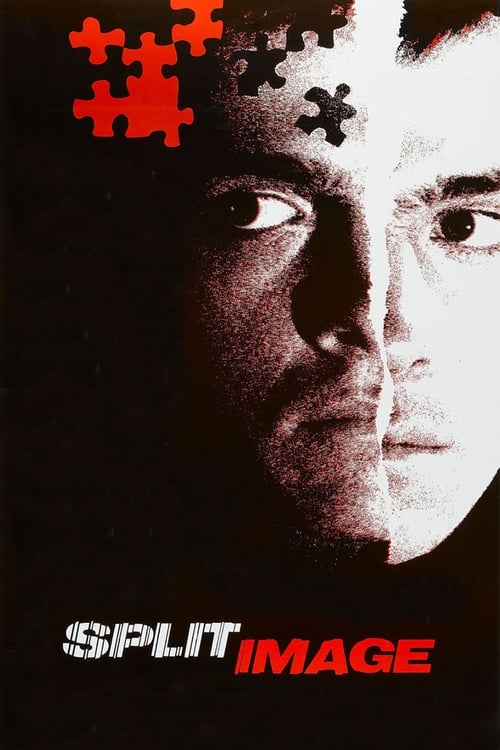
Split Image primarily serves as a psychological drama exploring the tension between familial structures and unconventional belief systems. It prioritizes a critique of ideological influence over demographic breadth, focusing on the deconstruction of a cult's power over an individual. The film excels in examining social influence and the tension between secular reality and religious dominance. It challenges the sanctity of institutions by portraying a religious group as a disruptive, enslaving force. However, the film lacks documentation of diverse identities. There is a notable absence of LGBTQ+, racial, or disability-focused narratives, keeping the character study centered on a narrow sociological conflict.
Category Breakdown
The film does not include any LGBTQ+ characters or non-cisgender identities. The story focuses solely on the ideological conflict between a religious group and a traditional family.
The story centers on a parental unit trying to reclaim their son. It features a traditional family structure, but it is unclear whether the film deconstructs or reinforces gender hierarchies.
There is no information about the racial makeup of the cast or the ethnic backgrounds of the characters. The focus is on the sociological dynamics of cult influence.
The film explores themes of subjective morality and critiques organized belief systems. It portrays religious devotion through a lens of systemic manipulation and psychological truth.
The narrative does not provide any information about physical, neurodivergent, or mental health disabilities. The protagonist's impressionable nature does not represent documented disability.
Present on Screen
Limited or Absent
Official Synopsis
An impressionable young man finds himself enslaved by a modern-day religious cult. In an effort to bring him back to reality, the boy's parents hire a deprogrammer to kidnap him and return him to his family.
1981
1964

1997

1989
1974
2006

1992

2013
No reviews yet. Be the first to share your thoughts on this movie!
Use the rating form above to leave a star rating and optional review.