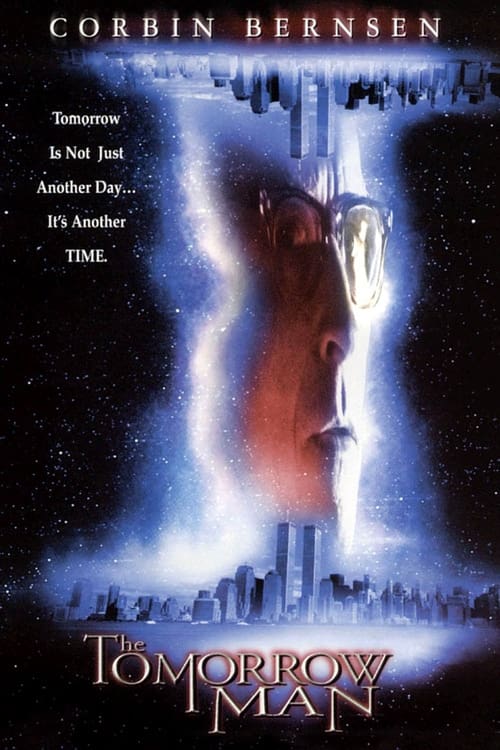
The Tomorrow Man
2001
No user ratings available yet
Representation score: 2.5 out of 10

Representation Score
Limited
1990
RDirector
David A. Prior
Runtime
82 minutes
Average Rating
No ratings yetNew Showbiz Analysis
Future Zone strictly adheres to the conventions of 1990s action movies. The story revolves around a traditional father-son dynamic, emphasizing masculine archetypes and reinforcing existing social hierarchies. The film lacks intentional diversity and nuanced representation, reflecting the homogeneous casting and standard moral binaries typical of exploitation cinema from that era.
Category Breakdown
The film does not include any characters with non-traditional gender identities. The storyline emphasizes a traditional father-son relationship, reinforcing the idea that everyone is straight.
The story focuses on traditional masculine roles, particularly through a son's quest to save his father. Female characters are not given prominent roles or significant influence.
The film features a predominantly white cast, with no indication of diverse racial or ethnic representation.
The plot follows a typical hero's journey that upholds traditional moral values. It does not explore themes that challenge Western or capitalist social structures.
The film does not feature any characters with physical or cognitive disabilities. These elements are not highlighted as central to the story.
Present on Screen
Limited or Absent
Official Synopsis
John Tucker's son travels back in time 30 years to save his father from being killed by thugs he is currently pursuing back in 1990.
2001
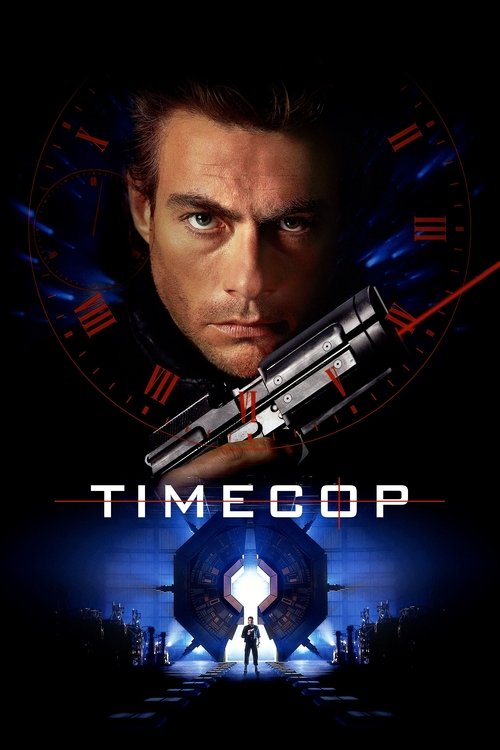
1994
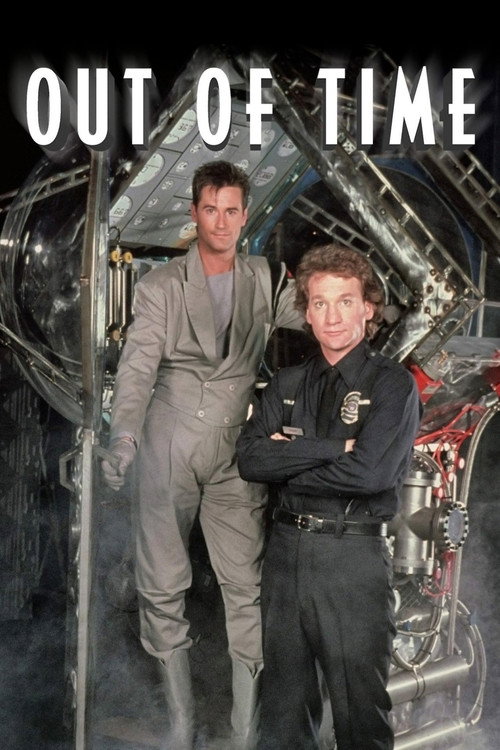
1988
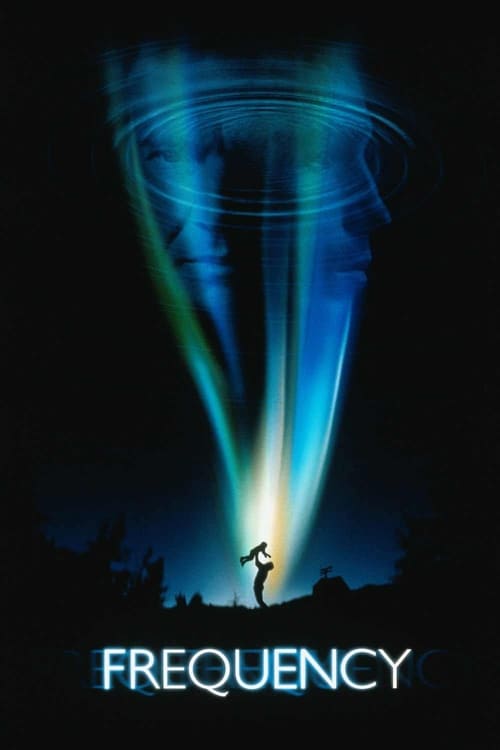
2000
1989

1993
2000
1993
No reviews yet. Be the first to share your thoughts on this movie!
Use the rating form above to leave a star rating and optional review.