
Make Up
2020
No user ratings available yet
Diversity score: 5.3 out of 10
2008
Director
Roy Stuart
Runtime
107 minutes
Average Rating
No ratings yetSynopsis
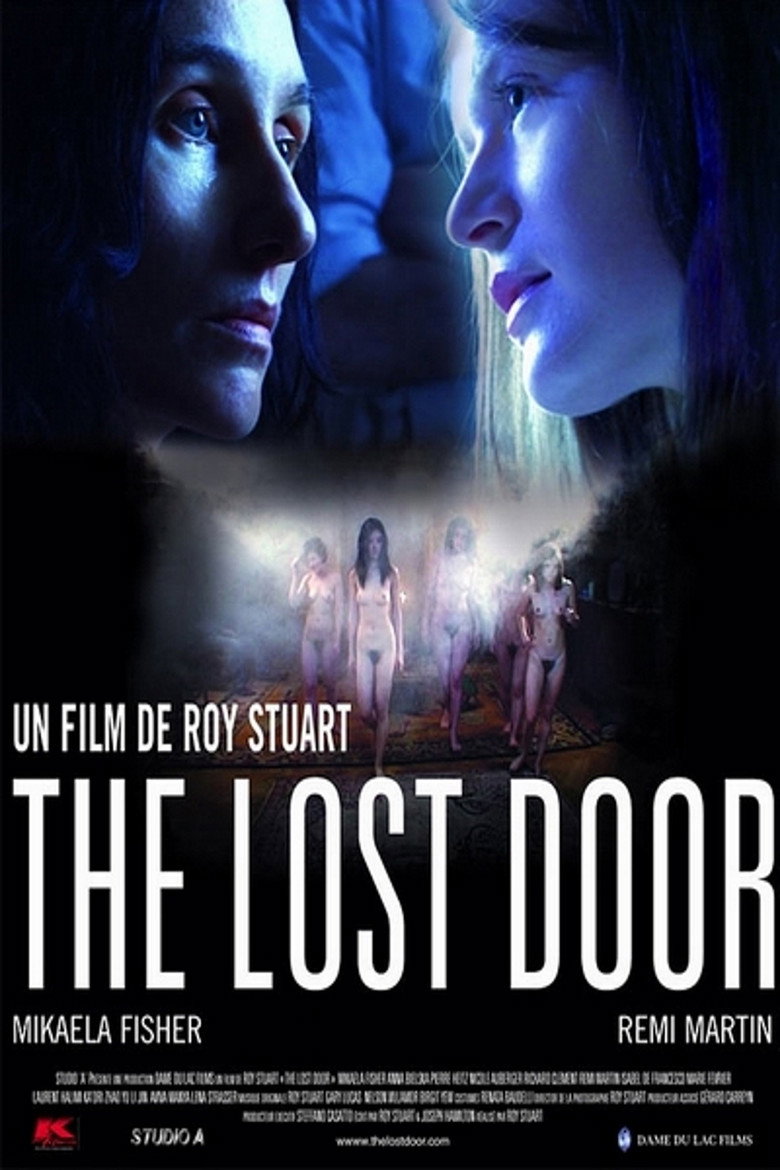
Obsession, sex, and illusion are depicted in a series of parallel stories. The Lost Door opens while Kristina is being interrogated in a psychiatric hospital where she has been committed. Catherine, a young psychiatrist has been assigned by the court to discover what goes on in the deranged yet intriguing mind of this suspected murderer, haunted by ghosts and strange sexual situations. After a long confrontation, it's the mysterious Kristina who opens up the young psychiatrists mind to her own repressed desires.
Overall Score
Fair
Category Breakdown
LGBTQ+ Representation
The film explores queer-coded psychological intimacy through the interaction of its two female leads. While sexual orientation is not explicitly defined, the subtext suggests a disruption of heteronormative boundaries via repressed desires.
Gender Representation
The narrative centers on female intellectual and psychological agency rather than male-driven thriller tropes. Power dynamics shift from institutional authority to the patient, highlighting complex female agency over submissive roles.
Racial & Ethnic Diversity
The available narrative information provides no evidence regarding the racial or ethnic composition of the cast. Consequently, no assessment of racial diversity can be made.
Religious & Cultural Diversity
The story adopts a skeptical stance toward Western medical and social institutions. It prioritizes individual psychological truth and subjective morality over standardized social or moral norms.
Disability Representation
Mental health and neurodivergence are explored through Kristina's character. The film attempts to move beyond clinical observation to explore her internal world, though it risks using instability as a thriller device.
Strengths
Areas for Improvement
AI Analysis
The film distinguishes itself by centering a psychological thriller on the friction between two women. By shifting power from the psychiatrist to the patient, it avoids traditional masculine-led tropes and explores complex female agency. However, the narrative's depth is limited by a lack of explicit demographic information. While the subtext suggests queer-coded intimacy and a critique of institutional authority, the absence of clear identity markers prevents a higher score. Ultimately, the work functions as a study of repressed desire and the instability of truth, offering a nuanced but somewhat ambiguous exploration of identity and mental health.
2020
2010
2008
2010

2001

1983
2011

2004
2008

2006

2015
1999
No reviews yet. Be the first to share your thoughts on this movie!
Use the rating form above to leave a star rating and optional review.