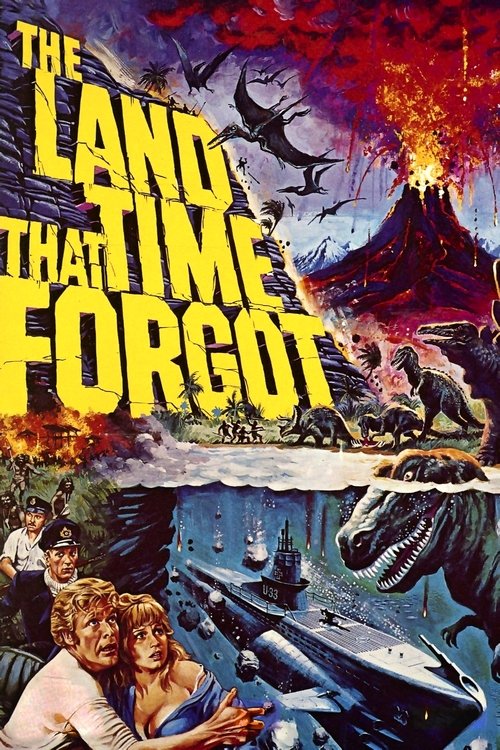
The Land That Time Forgot
1974
No user ratings available yet
Representation score: 0.8 out of 10
Representation Score
Minimal
1969
GDirector
Jim O'Connolly
Runtime
96 minutes
Average Rating
No ratings yetNew Showbiz Analysis
The film is a traditional adventure spectacle that prioritizes genre clichés over social representation. It operates within a conventional framework where control over the plot is largely reserved for a homogenous group of male protagonists. While the narrative provides a latent critique of commercial greed and the commodification of nature, it lacks the intentionality to disrupt established social hierarchies. The storytelling remains firmly rooted in the status quo of mid-20th-century cinema.
Category Breakdown
The film does not include any characters with non-binary gender identities or LGBTQ+ representation. It adheres strictly to the heterosexual norms of the late 1960s without challenging romantic clichés.
The main roles are dominated by male characters, with limited opportunities for women to take center stage. A female character exists but plays a secondary role to the central male-driven plot.
The cast is mostly white, reflecting the casting norms of the era. The Mexican setting serves as a backdrop without offering much depth to characters from diverse cultural backgrounds.
The story offers a subtle critique of capitalist exploitation and the commodification of the natural world. Characters view prehistoric life as commodities, highlighting a tension between greed and the natural order.
There is no evidence of characters navigating visible or invisible disabilities within the narrative.
Present on Screen
Limited or Absent
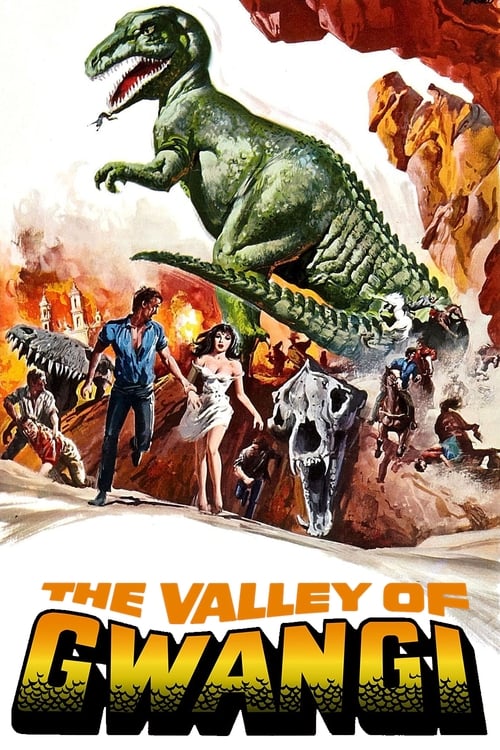
Official Synopsis
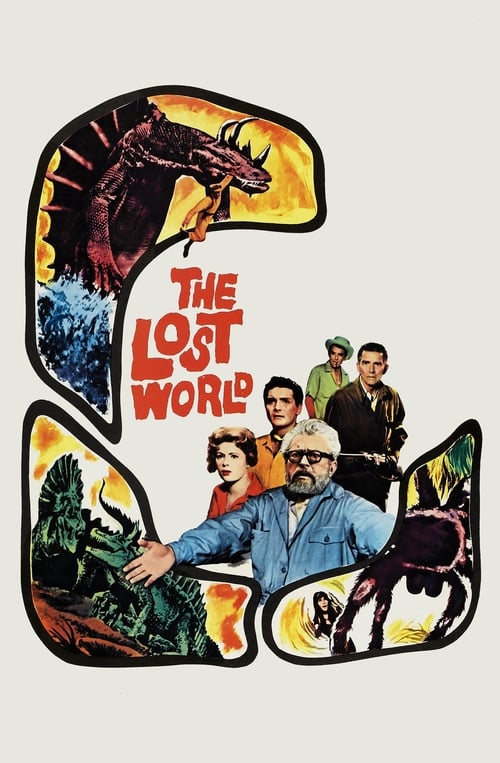
A turn of the century wild west show struggling to make a living in Mexico comes into the possession of a tiny prehistoric horse. This leads to an expedition to the Forbidden Valley where they discover living dinosaurs. They capture one and take it back to be put on display, leading to inevitable mayhem.
1974
1925
1956

1959
1976
1953
1960

1973
No reviews yet. Be the first to share your thoughts on this movie!
Use the rating form above to leave a star rating and optional review.