Lincoln's Last Day
2015
No user ratings available yet
Representation score: 3.1 out of 10
Representation Score
Limited
2013
PGDirector
Adrian Moat
Runtime
89 minutes
Average Rating
No ratings yetNew Showbiz Analysis
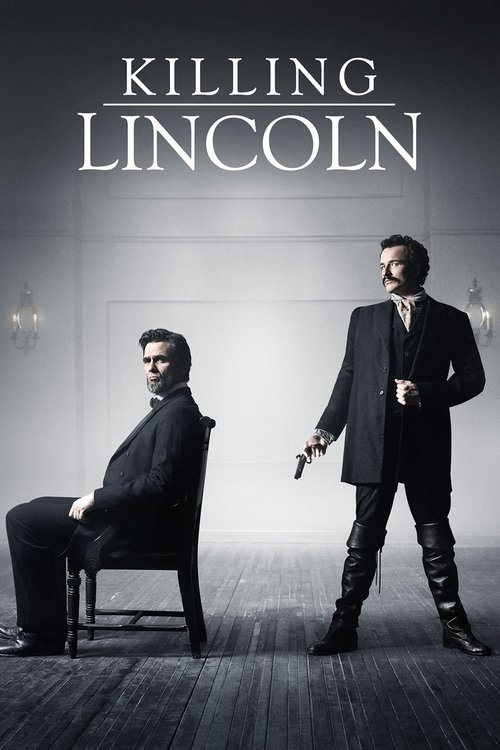
Killing Lincoln presents a conventional historical reconstruction of a pivotal American event. The narrative emphasizes the high-stakes political drama of the 19th century, focusing on the intersection of the presidency and its assassination. Since the film adheres to a traditional docudrama framework, it does not explore multi-layered themes. Instead, it centers on established historical hierarchies, primarily highlighting the actions of male political figures and the immediate aftermath of the crime. Overall, the film serves as a typical historical portrayal. It does not aim to challenge social norms or provide progressive commentary, focusing instead on the dramatic impact of the assassination.
Category Breakdown
The film does not include any LGBTQ+ characters or narratives that challenge the assumption that everyone is straight or cisgender. It focuses on the political violence of the 1865 era.
Men play central roles in the film, such as Lincoln and Booth. Women are present but have limited influence in the dramatic structure.
The story centers on Anglo-American political figures. While the Civil War era involved racial struggles, the focus remains on the assassin and the president.
The production follows a traditional Western historical framework. It emphasizes the preservation of the Union as the central historical issue.
There is no indication of the portrayal of physical or neurodivergent disabilities in this production.
Present on Screen
Limited or Absent
Official Synopsis
April 14, 1865. One gunshot. One assassin hell-bent on killing a tyrant, as he charged the 16th President of the United States. And in one moment, our nation was forever changed. This is the most dramatic and resonant crime in American history—the true story of the killing of Abraham Lincoln.
2015
2013
2009
2011

1998
2016
1995
2016
No reviews yet. Be the first to share your thoughts on this movie!
Use the rating form above to leave a star rating and optional review.