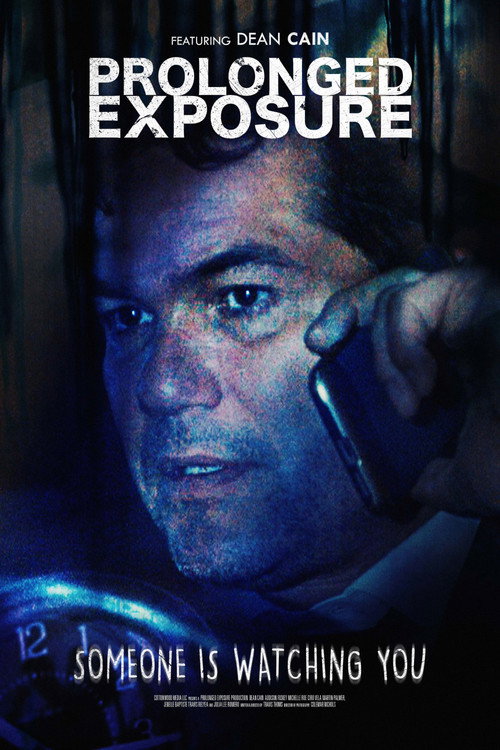
Prolonged Exposure
2018
No user ratings available yet
Representation score: 1.9 out of 10

Representation Score
Limited
2018
Director
Derek Cole
Runtime
80 minutes
Average Rating
No ratings yetNew Showbiz Analysis
The film operates as a character-driven psychological thriller that emphasizes the internal struggle of trauma over broader social or identity-based narratives. Its strength lies in exploring mental health and the active role of a survivor in navigating a psychological landscape. However, the film lacks visible markers of characters who reflect more than one aspect of diversity. The focus remains solely on the individual's clinical recovery, without addressing broader systemic or collective identity issues. Ultimately, the narrative structure centers on a specific medical and psychological premise, rather than a diverse or systemic social critique.
Category Breakdown
The film does not include any visible LGBTQ+ characters or stories. The focus is on the clinical and psychological recovery of the main character.
The story presents a professional relationship between a male lead and a specialist. Gender roles are shown through clinical expertise rather than traditional family structures.
No information is given about the racial or ethnic backgrounds of the characters. Despite diverse names in the cast, the film does not explore systemic racial issues.
The film examines themes of trauma and medical technology through a secular, scientific perspective. It centers on individual survival without critiquing broader social structures.
The story uses PTSD and coma states as key elements. It handles psychological disabilities with care, presenting the protagonist as an active participant in his recovery.
Present on Screen
Limited or Absent
Official Synopsis
Steven, A young teenage boy, is found in a comatose state deep in the woods several months after his kidnapping. The man that kidnapped him is still at large and Steven is the only person who witnessed and survived the ordeal. Now, Steven has been brought to a Doctor who specializes in PTSD patients. Using his technology to guide his patients though their traumatic event, he must connect to Steven and make him face his fears in order to bring him out of his coma.
2018

2023

2016

2013

2021

2008

2015

2021
No reviews yet. Be the first to share your thoughts on this movie!
Use the rating form above to leave a star rating and optional review.