
Night Night
2021
No user ratings available yet
Representation score: 6.3 out of 10

Representation Score
Excellent
2015
RDirector
Matthew A. Brown
Runtime
95 minutes
Average Rating
No ratings yetNew Showbiz Analysis
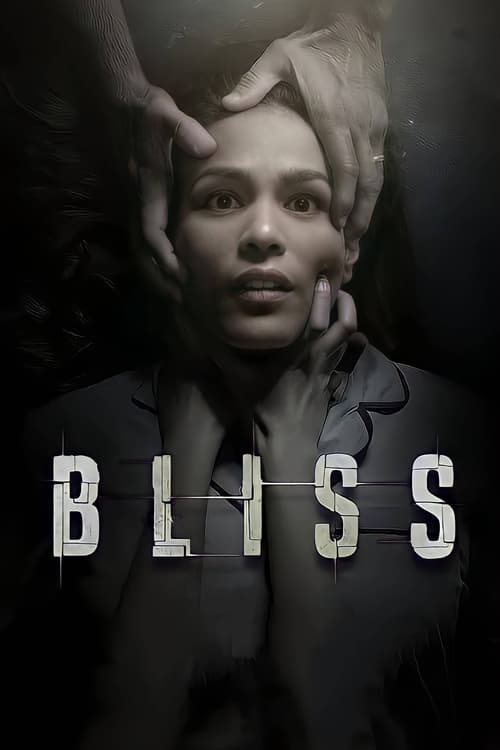
Julia is a neo-noir thriller that centers on a female collective reclaiming power from systemic violence. It excels at subverting traditional gender hierarchies, moving the protagonist from a state of vulnerability to one of extreme control and tactical dominance. The film's strength lies in its critique of institutional morality and its portrayal of a sisterhood that empowers its members. By prioritizing a subjective, ritualistic form of justice over traditional social safety nets, it offers a radical exploration of autonomy. However, the film lacks deep engagement with racial or neurodivergent identities. While the cast is diverse, the narrative leans into universalist thriller clichés rather than exploring specific cultural or disability-related nuances.
Category Breakdown
The film features a female sisterhood that operates independently of patriarchal structures, focusing on shared trauma and reclaiming control over their lives. This collective bond highlights themes of reclaiming power and control.
Julia evolves from a vulnerable state to one of absolute dominance, challenging the typical victim narrative. Male characters are portrayed through criminality, while female characters demonstrate superior intellect and tactical leadership.
The cast includes diverse actors such as Joel de la Fuente and Tahyna MacManus. However, the narrative emphasizes individual psychological journeys rather than exploring race as a central theme.
The story rejects conventional legal and religious frameworks in favor of a private, ritualistic form of justice. It critiques mainstream societal structures through a focus on personal retribution.
The film explores the psychological impact of trauma and self-harm, framing these struggles as catalysts for transformation rather than purely tragic or inspirational events.
Present on Screen
Limited or Absent
Official Synopsis
After suffering a brutal trauma, Julia uses an unorthodox form of therapy to restore herself.
2021

2021

2016

2015
2017

2017

2013

2012
No reviews yet. Be the first to share your thoughts on this movie!
Use the rating form above to leave a star rating and optional review.