
Love Is a Gun
1994
No user ratings available yet
Representation score: 0.2 out of 10
Representation Score
Minimal
1995
RDirector
Jeff Woolnough
Runtime
98 minutes
Average Rating
No ratings yetNew Showbiz Analysis
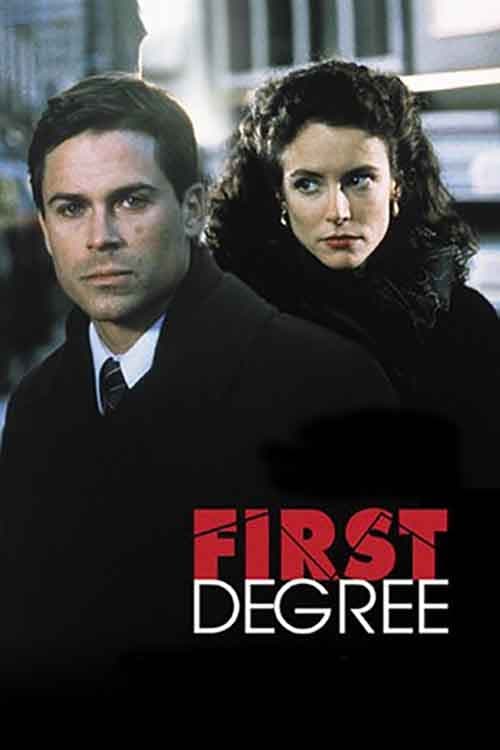
First Degree is a conventional crime-mystery that prioritizes procedural tension and interpersonal conflict over social or identity-based exploration. The narrative follows established genre clichés without attempting to challenge them. The film centers on a homicide detective and a woman implicated in a murder, a setup that leans heavily on traditional noir archetypes. This focus on individual suspicion keeps the story within a standard institutional framework of law and order. Ultimately, the work lacks the indicators of intentional systemic critique or progressive representation. It functions as a standard procedural piece rather than a vehicle for multi-layered storytelling.
Category Breakdown
The film does not include any characters with non-heterosexual identities or same-sex relationships. The central romantic tension revolves around a traditional detective-suspect dynamic.
A female character plays a significant role in driving the story as a prime suspect. However, the story relies on the 'femme fatale' cliché, which risks reinforcing traditional gendered archetypes of female danger.
The narrative does not indicate a non-white or non-Anglo-Saxon majority cast. There is no evidence of race-bent casting or metaphors for ethnic diversity.
The film operates within standard crime genre conventions. It focuses on individual morality and legalistic outcomes rather than exploring anti-Western or secularist themes.
There is no evidence regarding the inclusion of neurodivergent characters. The film also lacks representation of individuals with physical or sensory disabilities.
Present on Screen
Limited or Absent
Official Synopsis
A homicide detective falls for a murder victim's wife, who is also the prime suspect.
1994
1991

2015

1944
2016
1994

1953
1990
No reviews yet. Be the first to share your thoughts on this movie!
Use the rating form above to leave a star rating and optional review.