Miss Change
2013
No user ratings available yet
Representation score: 5.5 out of 10
Representation Score
Fair
2014
Director
Kim Yeong-tak
Runtime
105 minutes
Average Rating
No ratings yetNew Showbiz Analysis
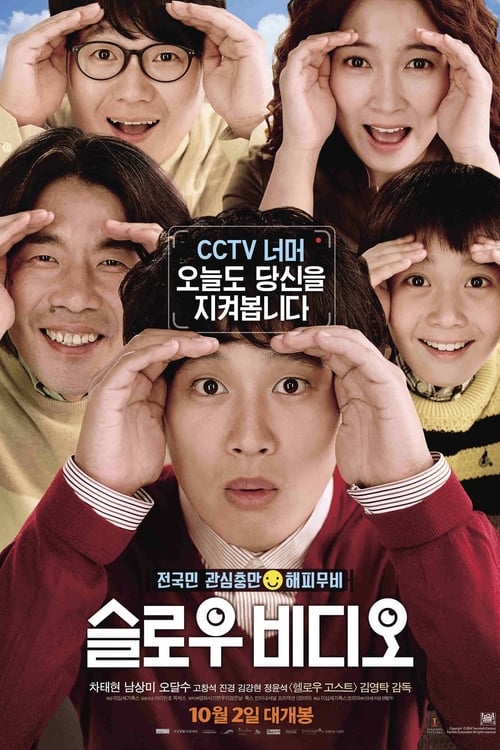
Slow Video offers a nuanced exploration of neurodivergence through its protagonist, Jang-bu. By presenting his unique sensory perception as a professional asset rather than a mere disability, the film provides an empathetic look at non-traditional cognitive experiences. However, the film remains within traditional narrative boundaries. It lacks representation of LGBTQ+ identities and diverse racial perspectives, focusing instead on a culturally specific, domestic South Korean setting. Ultimately, the film succeeds by deconstructing the 'outsider' cliché. It moves beyond simple mockery to show how a specialized sensory lens can facilitate meaningful social integration.
Category Breakdown
The film does not include any LGBTQ+ characters or non-straight relationships. The main romance revolves around the protagonist's longstanding relationship with a female character.
The story follows a conventional path centered on a male protagonist's personal growth. Although his unique sensory perception challenges typical views of masculinity, it does not directly question patriarchal norms.
As a South Korean production, the film features a primarily Korean cast. It emphasizes a non-Western perspective on social connections and technology without highlighting racial diversity.
The story focuses on the internal emotions of an outsider rather than strict moral codes. Technology serves as a modern commentary on how life is observed and experienced.
This is the film's strongest area, focusing on a neurodivergent sensory condition. The protagonist's unique perception is transformed from a source of isolation into a professional advantage and a tool for empowerment.
Present on Screen
Limited or Absent
Official Synopsis
Jang-bu was an ordinary boy except his special talent; To see every moving thing like a slow motion video. As friends teased him by calling ‘monster eyes’, he decided to stick at home and not to go out. Television has been his only friend. Time passes by, and now grown-up Jang-bu works at the CCTV control center which is the best job for him. When he sees people’s life through camera, he feels he’s sharing their ordinary life that he’s never had. This new job opens his heart to the world and Jang-bu starts to make some friends out of the control center. With his dear friends he receives sense of himself and finally decides to propose a girl that he loved for long from CCTV…
2013

2017

2007

2010

2000
2006

2018

2014
No reviews yet. Be the first to share your thoughts on this movie!
Use the rating form above to leave a star rating and optional review.