Burma VJ: Reporting from a Closed Country
2008
No user ratings available yet
Diversity score: 5.7 out of 10
2004
Director
Anders Østergaard
Runtime
75 minutes
Average Rating
No ratings yetSynopsis
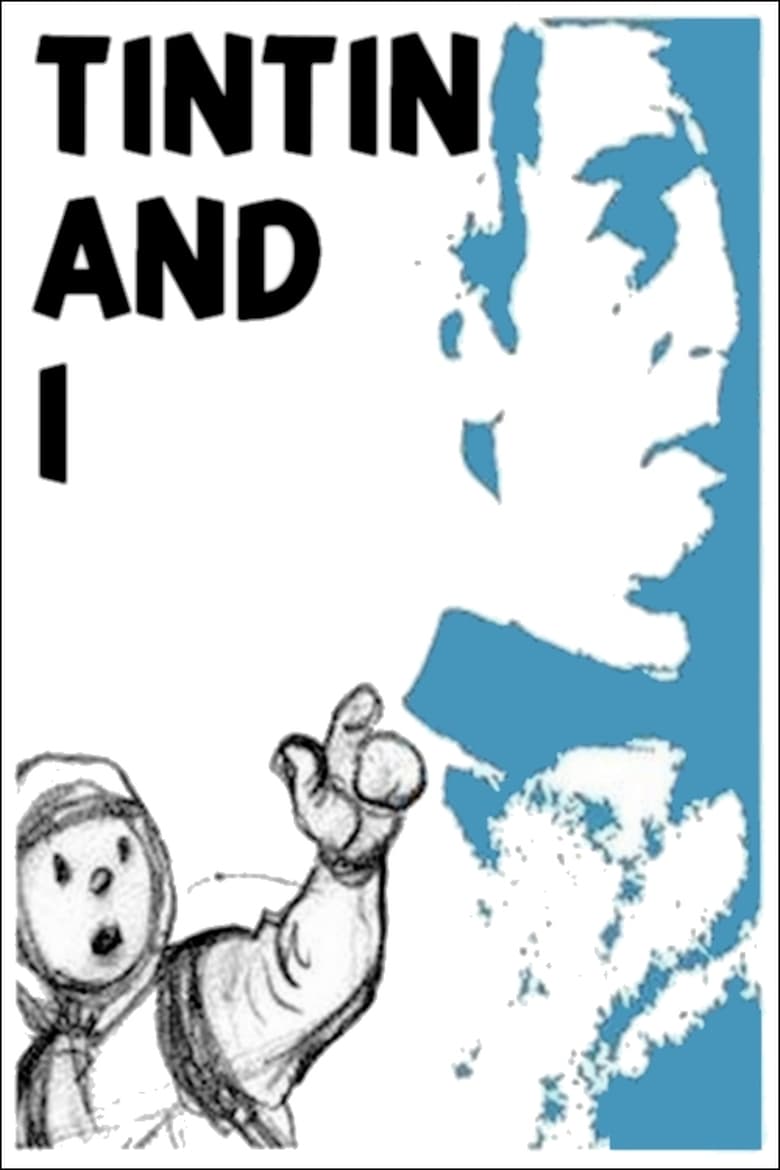
Why do the comic-strip Adventures of Tintin, about an intrepid boy reporter, continue to fascinate us decades after their publication? "Tintin and I" highlights the potent social and political underpinnings that give Tintin's world such depth, and delve into the mind of Hergé, Tintin's work-obsessed Belgian creator, to reveal the creation and development of Tintin over time. Rare and surprisingly candid 1970s interviews reveal the profound insecurities and anxieties that drove Hergé to produce stories that have not only entertained millions of children but also helped to satisfy a personal longing for self-expression.
Overall Score
Limited
Category Breakdown
LGBTQ+ Representation
The documentary focuses on the biographical details of Hergé and Erik's childhood. It lacks LGBTQ+ characters or narratives addressing non-cisnormative identities.
Gender Representation
The narrative is centered on a male protagonist and the male creator. It offers limited engagement with gender-diverse perspectives or the disruption of patriarchal norms.
Racial & Ethnic Diversity
The film reflects the demographic homogeneity of its mid-century Danish and Belgian context. It focuses on the Eurocentric origins of the Tintin mythos.
Religious & Cultural Diversity
The film examines a cultural icon through a secular, psychological lens. It explores the impact of a Western medium without actively critiquing Western institutions.
Disability Representation
There is no explicit focus on visible or invisible disabilities. Psychological anxieties are treated as creative facets rather than through the lens of neurodivergence.
Strengths
Areas for Improvement
AI Analysis
Tintin and I serves as a traditional biographical study that prioritizes historical and psychological accuracy over social disruption. The film's structure is deeply rooted in the personal history of Hergé and the childhood of Erik, which naturally limits the scope of representation. The documentary remains centered on Eurocentric, male-dominated perspectives. While it provides a candid look at the creator's insecurities, it does not seek to challenge systemic norms or include diverse demographic voices. Ultimately, the film functions as a retrospective look at a specific cultural icon, resulting in a narrative that lacks intersectional breadth.
2008
2019
2013
2007
2005
2012
1950
2017
2010
2022
2016
1968
No reviews yet. Be the first to share your thoughts on this movie!
Use the rating form above to leave a star rating and optional review.