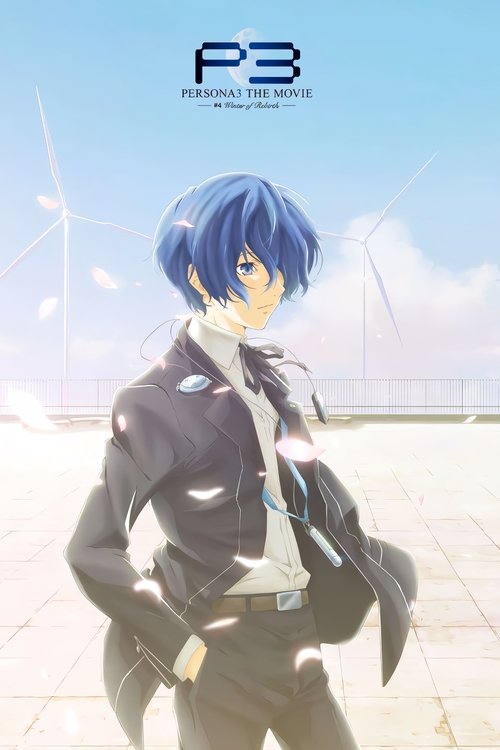
Persona3 the Movie #4 Winter of Rebirth
2016
No user ratings available yet
Representation score: 7.2 out of 10
Representation Score
Good
2014
Not RatedDirector
Tomohisa Taguchi
Runtime
98 minutes
Average Rating
No ratings yetNew Showbiz Analysis
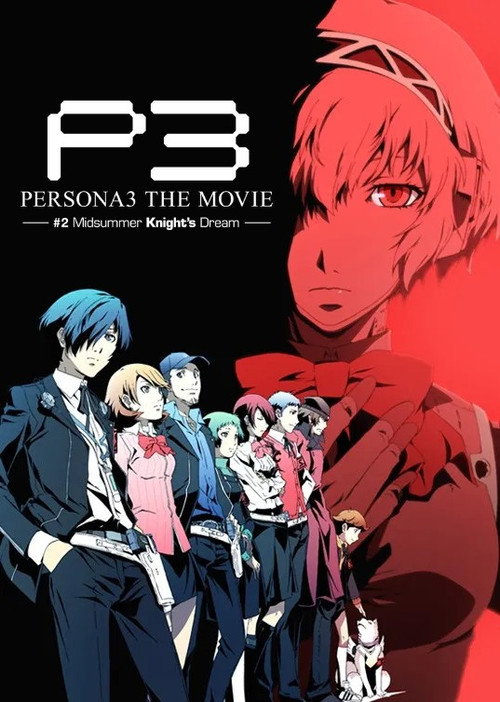
Persona 3 the Movie: #2 Midsummer Knight's Dream excels at challenging traditional gender roles by placing women in high-stakes combat positions. The film's strength lies in its sophisticated exploration of identity and psychological ability to act. However, the work remains demographically narrow. The cast is culturally homogeneous, and the film lacks explicit representation of LGBTQ identities or visible physical disabilities. While it addresses mental health through metaphor, it does not depict these issues literally.
Category Breakdown
The film highlights strong interpersonal connections and emotional bonds through its Social Link system. Although it doesn't explicitly depict LGBTQ identities, it challenges rigid social structures through these relationships.
Female characters play crucial roles as tactical leaders and intellectual contributors in a paramilitary setting. They are defined by psychological resilience rather than passive gender roles.
The cast is primarily Japanese, reflecting a modern urban culture. The film avoids whitewashing but does not include characters from diverse racial or ethnic backgrounds.
The narrative critiques institutional inadequacies and the instability of reality through postmodernism. It focuses on subjective experiences and a relativistic moral framework concerning mortality.
The film explores psychological trauma and mental health through metaphorical 'Shadows' representing the subconscious. However, it does not feature characters with visible physical or neurodivergent disabilities.
Present on Screen
Limited or Absent
Official Synopsis
After realizing the value of life and the importance of his own allies, Makoto finally got his smile back. He finds himself learning more about those comrades and getting closer to them. Makoto wishes that everything will continue just as they are. However, little by little, the pieces and people in Makoto's new, happy life begin to fall apart.
2016

2022
2015
2013
2013
2022
2003
2013
No reviews yet. Be the first to share your thoughts on this movie!
Use the rating form above to leave a star rating and optional review.