The Haunting in Connecticut 2: Ghosts of Georgia
2013
No user ratings available yet
Representation score: 1.8 out of 10
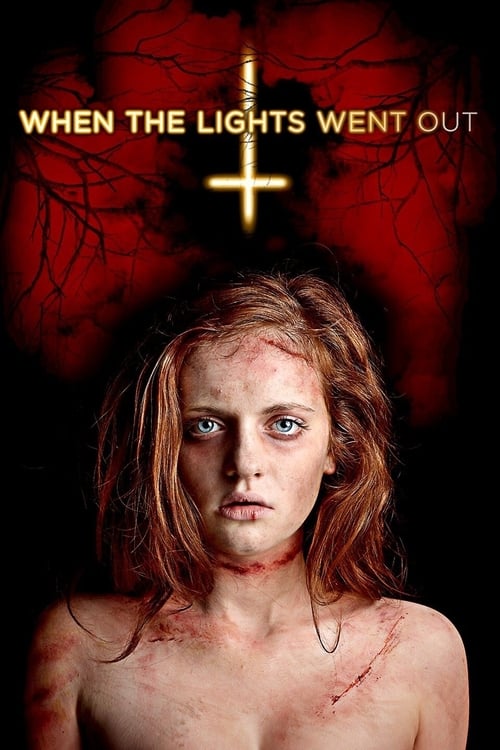
Representation Score
Minimal
2012
Director
Pat Holden
Runtime
86 minutes
Average Rating
No ratings yetNew Showbiz Analysis
When the Lights Went Out operates as a conventional supernatural thriller that emphasizes genre clichés over social complexity. The story revolves around a traditional 1970s nuclear family structure, limiting the scope of its character dynamics. The film does not address multi-layered identities, resulting in a narrative that adheres to established social hierarchies. It functions primarily as a period-set horror piece centered on a singular, homogeneous domestic experience. Ultimately, the production focuses on the external threat of a poltergeist rather than exploring diverse cultural or systemic perspectives.
Category Breakdown
The film does not include any representation of LGBTQ+ identities or same-sex relationships. The story revolves around a traditional nuclear family unit.
The story centers on the Maynard family, following conventional gender roles. Women are not shown subverting authority, and men are not portrayed through non-traditional lenses.
Set in 1974 Yorkshire, the film portrays a homogeneous community. There is no indication of diverse ethnic perspectives or actors from different backgrounds.
The narrative uses the haunted house cliché to emphasize the sanctity of the family unit. It lacks secular or anti-institutional themes, focusing instead on preserving a traditional domestic life.
There is no mention of characters dealing with physical disabilities, neurodivergence, or mental health conditions. These elements are not central to the narrative drivers.
Present on Screen
Limited or Absent
Official Synopsis
Yorkshire, 1974, the Maynard family moves into their dream house. It's a dream that quickly descends into a panic stricken nightmare as the family discovers a horrifying truth, a truth that will make the history books. The house is already occupied by the most violent poltergeist ever documented, a poltergeist that will tear you from your bed as you sleep and drag you helplessly into the darkness.
2013

1976
2009
2002
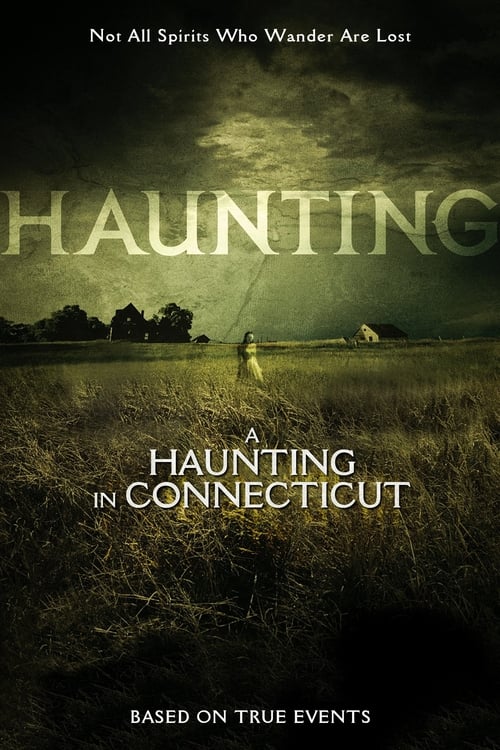
2002
2016
2014
2012
No reviews yet. Be the first to share your thoughts on this movie!
Use the rating form above to leave a star rating and optional review.